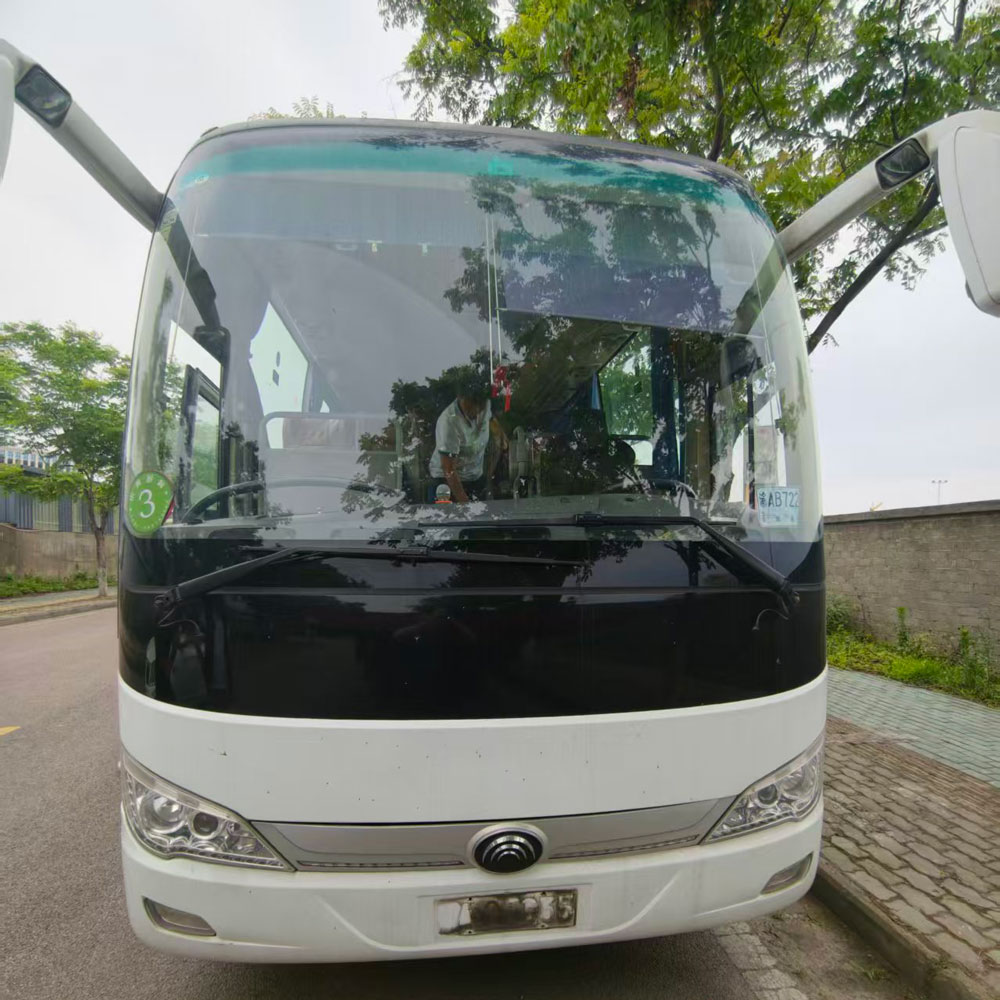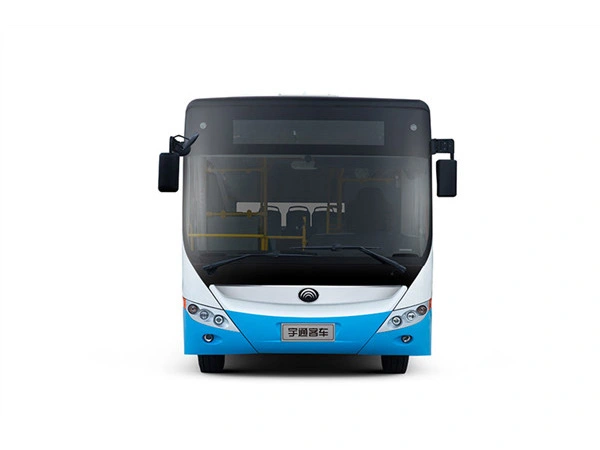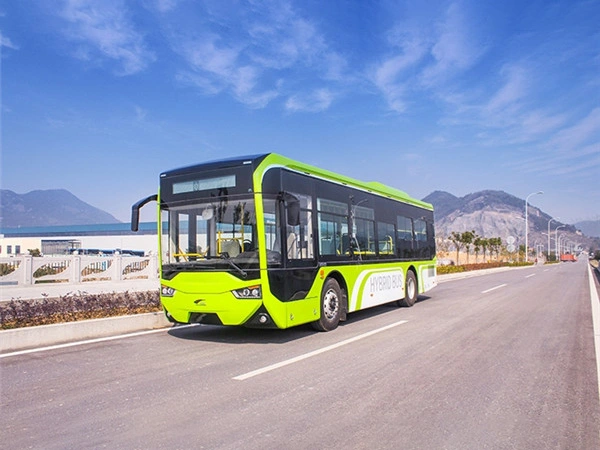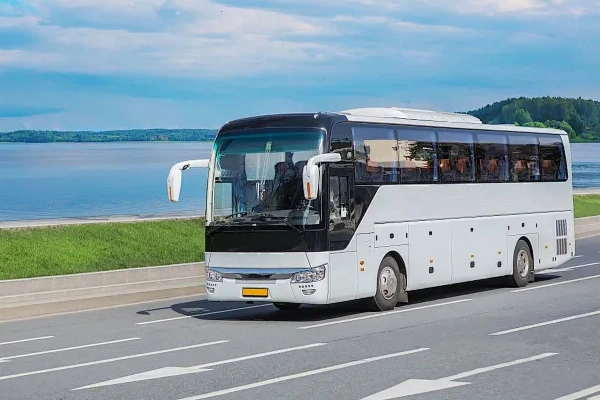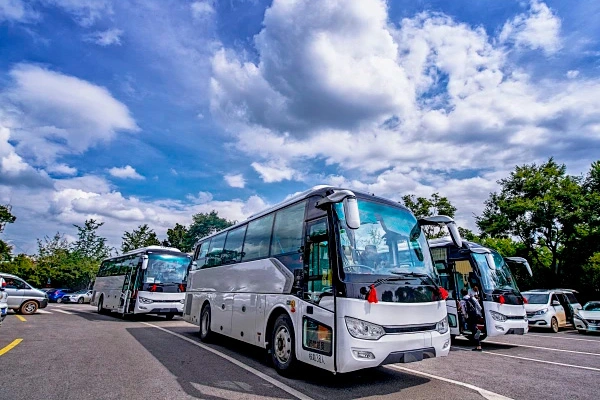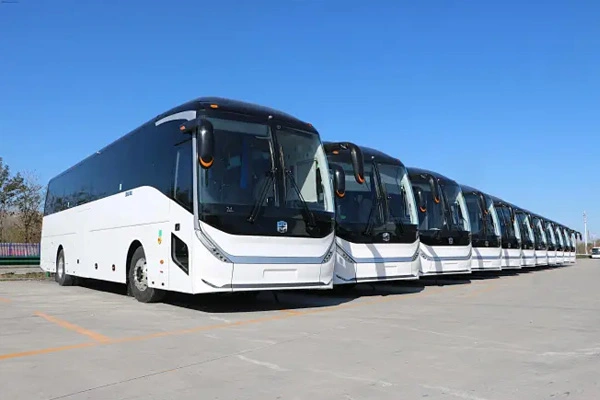
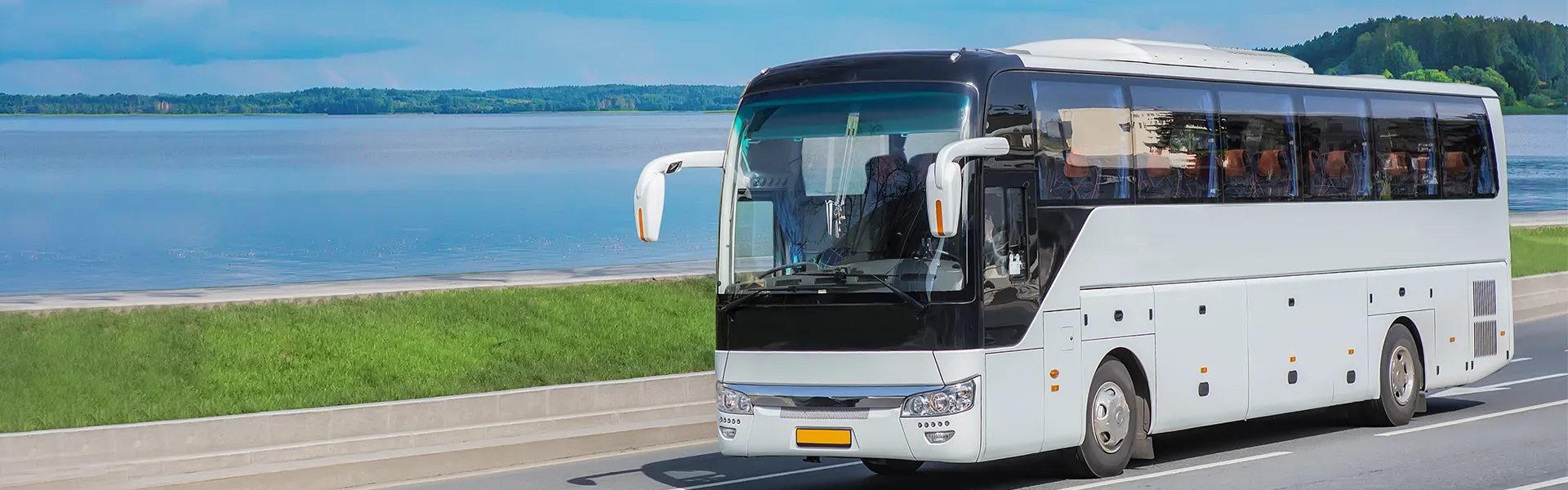
10-11m used hybrid buses, with their core advantages of "ample space, balanced power, and versatility," have become an "all-around benchmark" for medium- and long-distance operations, widely used in second-tier city main bus lines, short- and medium-distance tourist shuttles, regional passenger transport, and large enterprise commuting scenarios. This type of vehicle is the mainstream specification in the hybrid bus market, with a large market share, mature used circulation channels, and a wide range of vehicle conditions to choose from. It combines the passenger capacity of vehicles over 12 meters with stronger road adaptability, perfectly suited for small and medium-sized cities and scenic areas with relatively complete charging infrastructure but still range anxiety. Its "oil- or electric" drive mode allows for environmentally friendly operation on urban roads while eliminating reliance on charging on medium- and long-distance routes, making it one of the optimal solutions during the transition period of new energy vehicle development.
These used hybrid buses are mostly between 10.8 and 11.9 meters in length, using a combination of high-strength, lightweight aluminum alloy and steel for the body, improving fuel economy and enhancing the body's corrosion resistance. The exterior design incorporates technological and environmentally friendly elements. The front features flat LED integrated headlights with a continuous daytime running light design. While retaining the fuel filler cap on the side, a hidden fast-charging port is added for convenient pure electric charging when possible. The interior layout is flexible, with a mainstream 35-45 seat design, which can be adjusted to a standard 2+2 or a compact 2+3 layout as needed. The aisle width is 0.65-0.75 meters to meet different passenger requirements. The luggage compartment has a volume of 5-7 cubic meters, using a side-opening or bottom-opening design, and is equipped with a hydraulic assist device for easy loading and unloading of luggage. Some tourist-specific models can expand the luggage compartment space to 8 cubic meters through optimized layout, adapting to the luggage storage needs of short-to-medium distance travel.
10-11m used hybrid buses mostly adopt a parallel structure, a technology that has been developed over a long period and is now very mature. The vehicles are equipped with a medium-displacement diesel engine and a moderately powerful electric motor, with a battery capacity sufficient to support several kilometers of pure electric driving. This powertrain combination ensures the vehicle's power needs in urban driving conditions while also considering energy economy and environmental friendliness. The advantage of the parallel structure lies in its relatively simple structure and lower cost, while allowing for flexible coordination between the engine and electric motor, improving overall vehicle performance.
The 10-11m used hybrid bus control strategy is deeply optimized for urban driving conditions. During the most fuel-consuming starting and low-speed phases, the vehicle uses electric drive as much as possible, achieving zero-emission and low-noise operation. Once the vehicle speed increases or the battery charge is low, the engine intelligently intervenes to provide power to the vehicle or charge the battery, always keeping the vehicle operating within its efficient range. This intelligent control strategy can automatically adjust the power output according to different road conditions and driving needs, maximizing energy efficiency and reducing fuel consumption.
The seats are filled with high-density rebound foam and covered with stain-resistant and wear-resistant imitation leather. The backrest angle is adjustable, and some high-end models are equipped with seat armrests, headrest height adjustment, and lumbar support functions to alleviate fatigue during medium- and long-distance travel. The bus features a smart roof-mounted air conditioner, which, in conjunction with an in-vehicle air circulation system, quickly regulates the interior temperature and maintains fresh air. Its energy consumption is lower than that of traditional diesel buses. In terms of smart features, a 10-15 inch in-vehicle display screen is standard, supporting route navigation, stop announcements, multimedia playback, and vehicle status display. Some high-end models are equipped with in-vehicle WiFi, USB charging ports, a passenger counting system, and a smart dispatch terminal for convenient operation management and passenger use. Safety features are comprehensive, including basic ABS and EBD systems, as well as driver and passenger airbags, a reversing camera, tire pressure monitoring, and a vehicle stability system. Some bus models are upgraded to include full vehicle monitoring, driver fatigue warning, and collision warning systems to ensure operational safety.
Because the electric motor offloads a significant portion of the workload, wear and tear on the engine and braking system is greatly reduced, extending the lifespan of related components and indirectly lowering maintenance costs. Traditional diesel buses, under frequent start-stop conditions in urban environments, experience significant stress on their engines and braking systems, making them prone to failure and requiring regular maintenance and component replacement. 10-11m used hybrid buses, with the assistance of electric motors, reduce the load on the engine and decrease the frequency of braking system use, thereby lowering maintenance costs and improving vehicle operating economy.
10-11m used hybrid buses are suitable for regular bus routes in large and medium-sized cities, scheduled shuttle buses for enterprises and institutions, passenger transport in urban-rural fringe areas, and medium-distance tour group transportation. In regular bus routes in large and medium-sized cities, they can efficiently complete daily passenger transport tasks, providing convenient travel services for citizens; as scheduled shuttle buses for enterprises and institutions, they can meet the commuting needs of employees and improve the operational efficiency of enterprises; in passenger transport in urban-rural fringe areas, they can adapt to complex road conditions and connect urban and rural transportation; for medium-distance tour group transportation, they can provide a comfortable riding experience and meet the travel needs of tourists.