
With over 25 years of deep industry experience, Ningbo Haishu Honglong Automobile Service Co., Ltd. stands at the forefront of the used bus market in China. As global transportation transitions toward greener and more efficient energy solutions, we are proud to offer a premium range of Used Hybrid Buses, meeting the growing demand for environmentally friendly yet powerful mobility solutions around the world.
Under the need to balance "dual-carbon" goals with reliance on traditional energy sources, used hybrid buses, with their core advantages of "dual-drive (oil and electric), worry-free range, and environmental friendliness and energy saving," have become a preferred transitional option for bus groups, tourism companies, and urban and rural passenger transport enterprises. Compared to pure electric buses, they do not rely on extensive charging infrastructure; their hybrid drive mode, capable of both oil and electricity, perfectly suits towns, scenic spots, and long-distance shuttle scenarios where charging stations are insufficient. Compared to traditional fuel buses, they offer improved fuel economy and reduced carbon emissions, complying with environmental policies while controlling operating costs. After years of market validation, the power system of used hybrid buses has formed a mature technological system, providing a highly adaptable solution for purchasers with limited budgets who need to consider multiple operating scenarios.
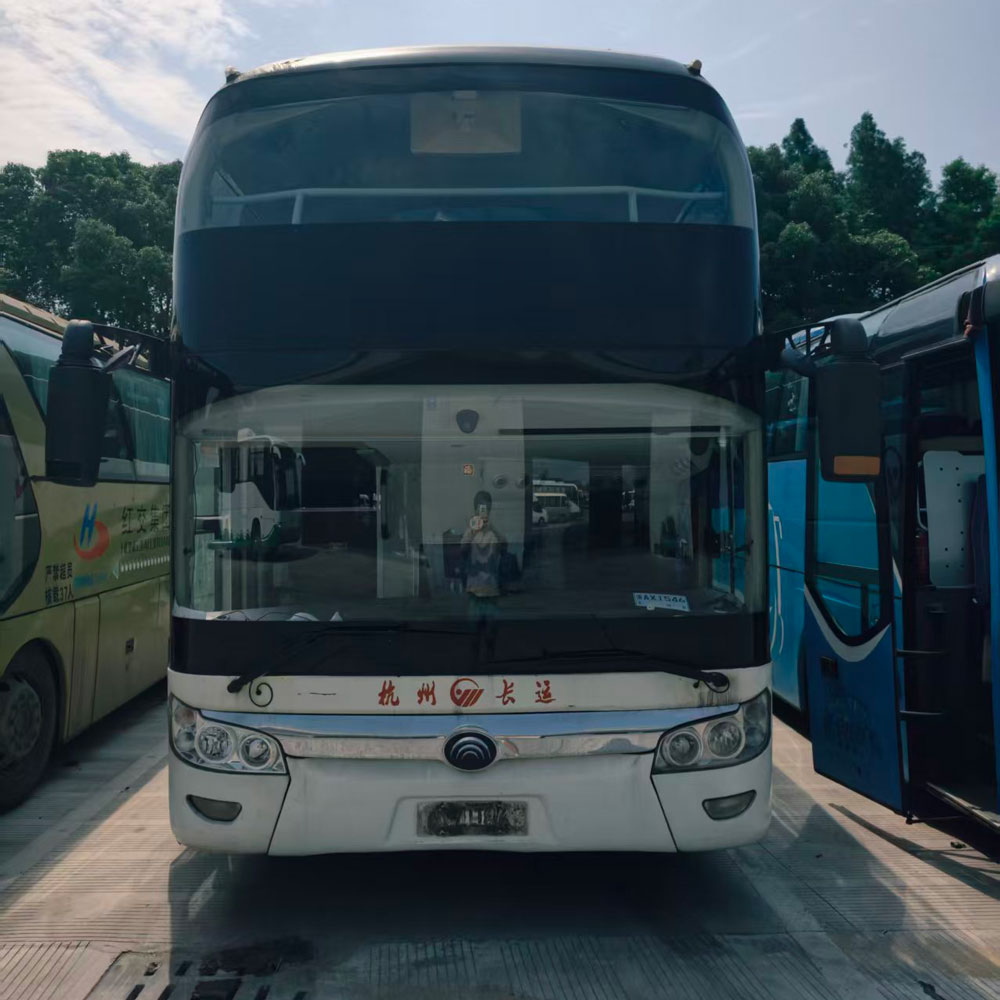
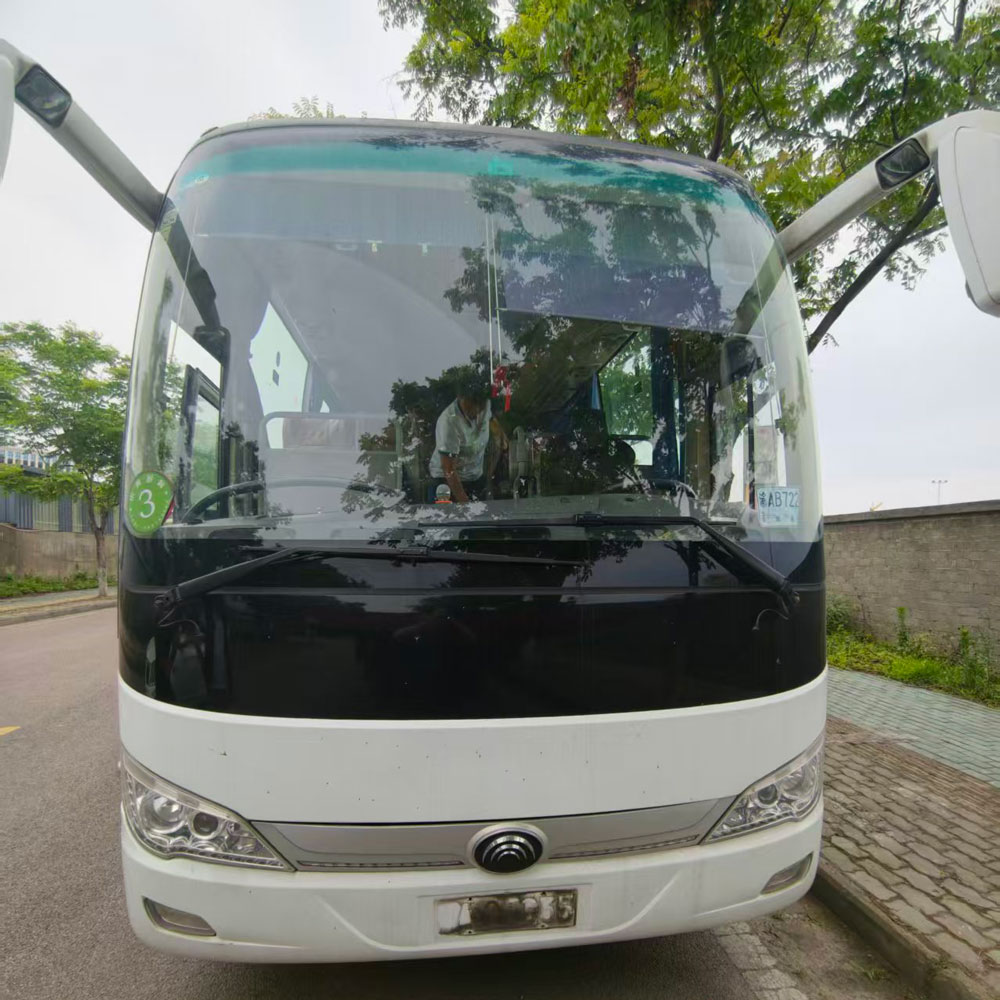
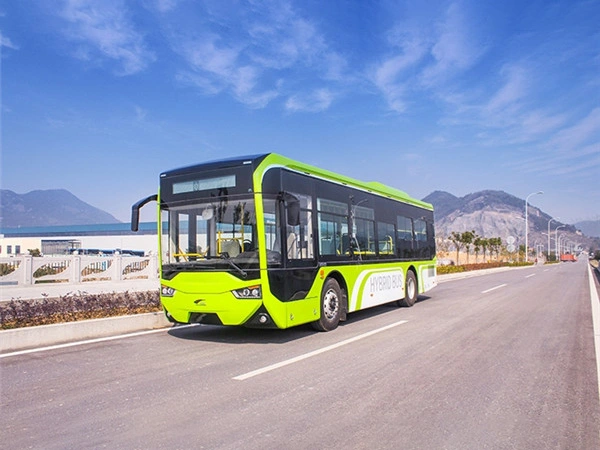
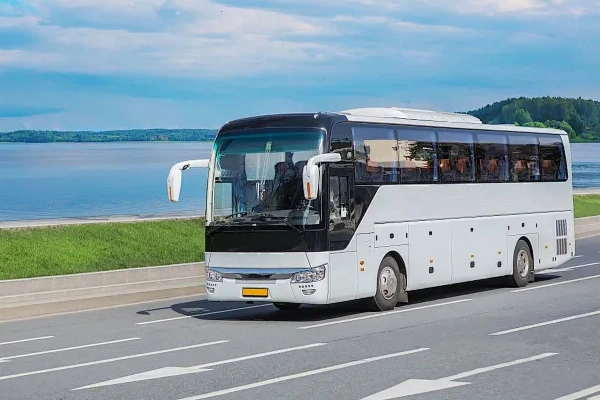
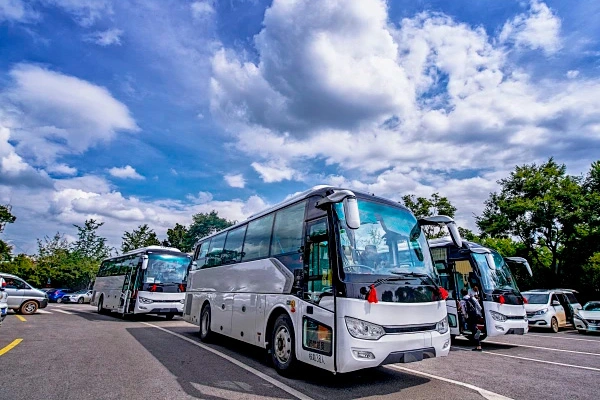
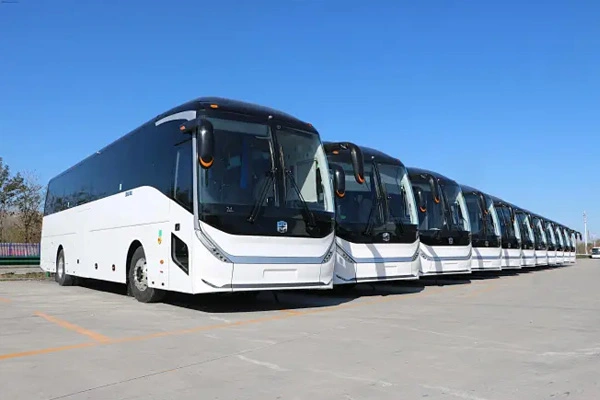
Used hybrid buses are primarily medium to large in size, maintaining the stable style of traditional commercial buses while incorporating design elements specific to hybrid models. The bus body is constructed using a combination of high-strength steel and lightweight aluminum alloy, making it lighter than pure fuel-powered buses. This improves fuel economy while maintaining body rigidity, making it suitable for long-term operation in complex road conditions.
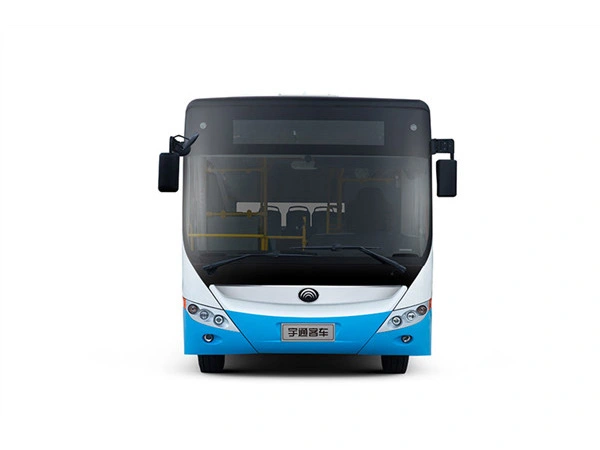
In terms of exterior design, the front features a rounded, streamlined design, paired with integrated LED headlights and daytime running lights, significantly improving nighttime visibility. The side of the bus retains the fuel filler cap while adding a hidden charging port. The rear design emphasizes functionality, equipped with a high-mounted brake light, a reversing camera, and a power mode indicator, allowing the driver to monitor the vehicle's status in real time. The main body colors are white, silver-gray, and green. Bus models often include route markings, while tourist models can be quickly repainted to suit diverse operating scenarios.
The core competitiveness of used hybrid buses lies in their mature hybrid electric system, which is mainly divided into plug-in hybrid and hybrid electric systems. Plug-in hybrid models meet the needs of short-distance pure electric operation in urban areas, automatically switching to hybrid mode for long-distance travel. Hybrid electric vehicles have no external charging port; they charge the battery through engine power generation and regenerative braking, operating with hybrid power throughout without the need for manual charging.
The intelligent power switching system is a core highlight, automatically switching drive modes according to road conditions: it automatically switches to pure electric mode in congested urban areas for zero emissions and low noise; it uses engine direct drive mode at high speeds to ensure power output while reducing energy consumption; and it activates hybrid mode to maximize power output when climbing hills or under full load.
The seats are designed for comfort and durability, using high-density rebound foam filling. Some models are equipped with lumbar support to alleviate fatigue during long journeys. The seat surface uses a stain-resistant and wear-resistant faux leather material; stains can be wiped clean directly with a damp cloth, reducing maintenance costs compared to high-end pure electric models.
Intelligent Configuration Balances Operation and Safety. Most used hybrid buses are equipped with onboard monitoring terminals, which can monitor battery status, power mode, fuel consumption, and driving data in real time, facilitating operation and management. Some models have GPS positioning and remote diagnostic functions, which can provide early warning of power system failures and reduce maintenance risks. In terms of safety features, standard equipment includes ABS anti-lock braking system, EBD electronic brakeforce distribution system, and driver and passenger airbags. Some high-end models are upgraded to full vehicle monitoring, tire pressure monitoring, and lane departure warning systems to ensure operational safety.
The body adopts a semi-monocoque design, and the chassis structure has been reinforced. The suspension system is mostly a combination of leaf springs and air suspension, ensuring both load-bearing capacity and improved ride comfort. The core components of the power system adopt a modular design, and the motor, engine, and battery can be independently disassembled and repaired, reducing the difficulty of troubleshooting.
Lower maintenance costs than traditional fuel-powered buses are one of the core advantages of used hybrid buses. In terms of maintenance cycles, the engine requires maintenance every 10,000 kilometers, and the motor every 20,000 kilometers. The overall maintenance cycle is longer than that of fuel-powered buses, mainly involving engine oil and oil filter changes, and motor and battery inspections. The process is simplified and does not require specialized new energy vehicle repair equipment.
Component costs are highly controllable. Fuel system components such as the engine and transmission are interchangeable with traditional buses, and parts are inexpensive and readily available. New energy components such as the motor and battery have low failure rates, reducing maintenance costs by more than 50% compared to pure electric buses.
Urban public transport is the core application scenario for used hybrid buses, especially suitable for small and medium-sized cities with inadequate charging infrastructure. Its pure electric mode can cover congested roads during peak hours, achieving zero-emission operation; during off-peak hours and long-distance routes, it switches to hybrid mode, eliminating the need for mid-journey charging.
In rural and urban passenger transport scenarios, the "no charging dependence" advantage of used hybrid buses is particularly prominent. Charging stations are scarce in rural areas, but hybrid vehicles can operate entirely with a combination of gasoline and electric power, eliminating range anxiety. Their compact size allows them to navigate narrow rural roads, while their powerful output handles mountainous terrain.
In tourism shuttle service scenarios, used hybrid buses perfectly meet the needs of multi-trip operations, from city to scenic spots to long-distance travel. Pure electric mode is used on city to scenic spot routes to reduce noise pollution; hybrid mode is switched on long-distance routes between scenic spots to ensure range. Their spacious luggage compartments and comfortable seating enhance the passenger experience.
Used hybrid buses, with their core advantages of "environmental protection and energy saving, worry-free range, and controllable costs," demonstrate irreplaceable value during the transition to new energy vehicles. Their classic and stylish appearance, scientifically designed spatial layout, combined gasoline and electric power performance, and mature and reliable performance make them perfectly suited for diverse scenarios such as urban public transport, rural passenger transport, and tourism shuttle services. For purchasers with inadequate charging infrastructure and the need to operate in multiple scenarios, used hybrid buses not only reduce initial purchase costs, but also save energy consumption and maintenance costs through long-term operation, while responding to environmental protection policies and establishing a green operation image.