As one of China’s leading professional used bus dealers with over 25 years of experience, Ningbo Haishu Honglong Automobile Service Co., Ltd. is proud to offer a wide selection of Used Pure Electric Buses to meet the growing global demand for sustainable and eco-friendly public transportation solutions.
With the worldwide emphasis on green energy and carbon neutrality, electric buses have become the future of urban and intercity mobility. Honglong has been deeply involved in the transformation of the bus industry, carefully selecting and evaluating high-quality used pure electric buses from well-known Chinese and international brands. Every vehicle is professionally inspected, maintained, and certified to ensure reliable performance, extended battery life, and high cost-effectiveness for our customers.
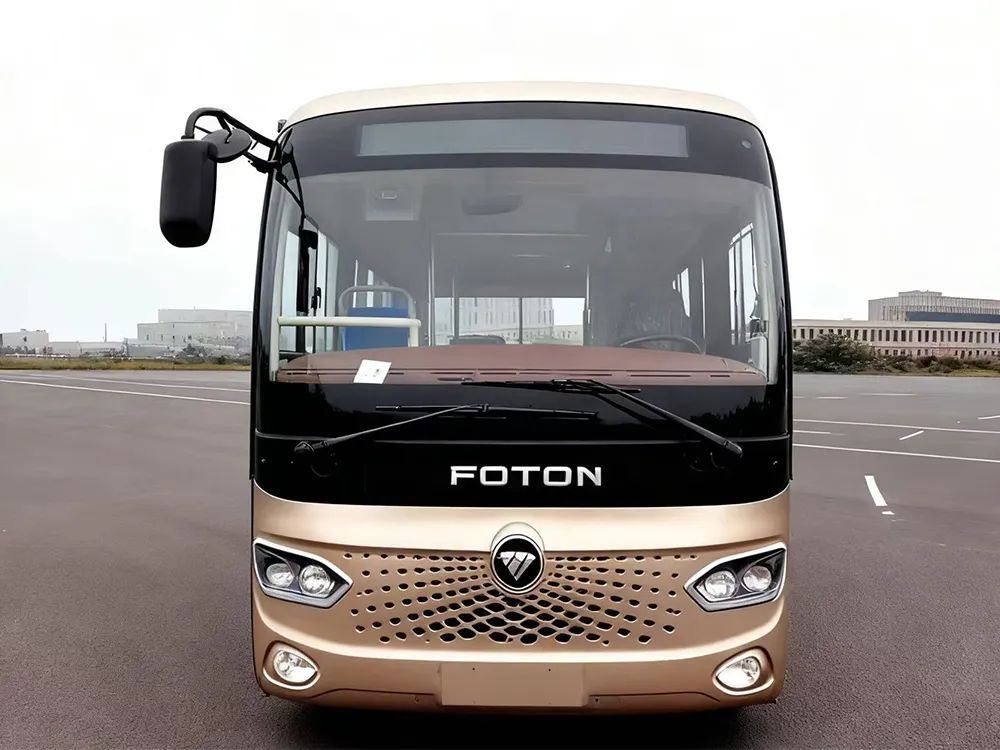
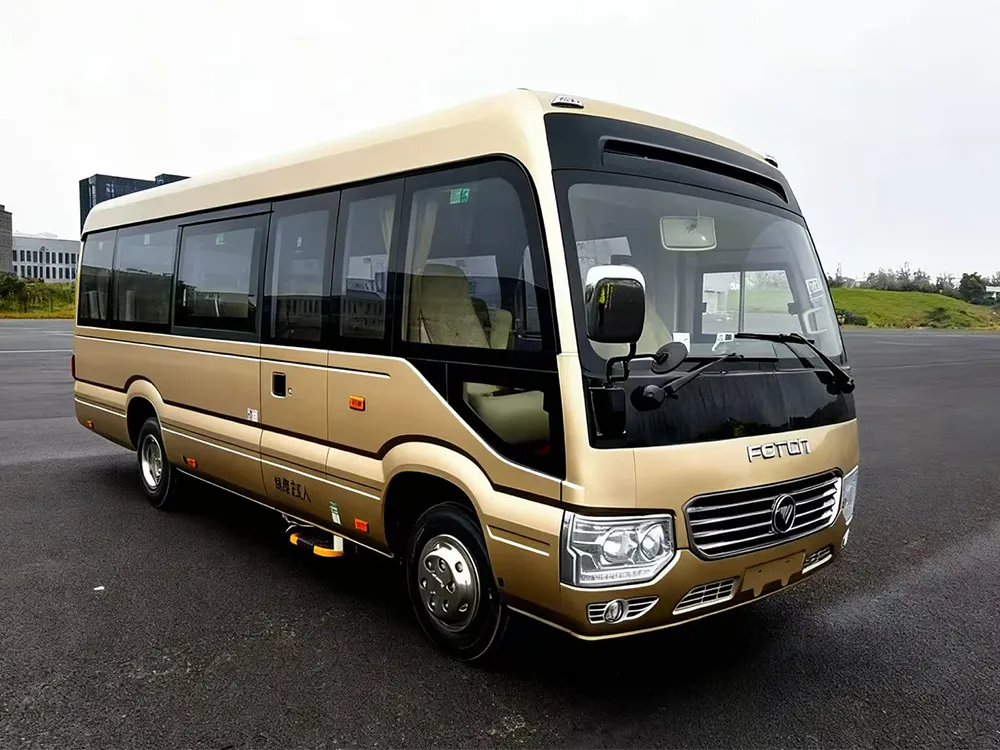
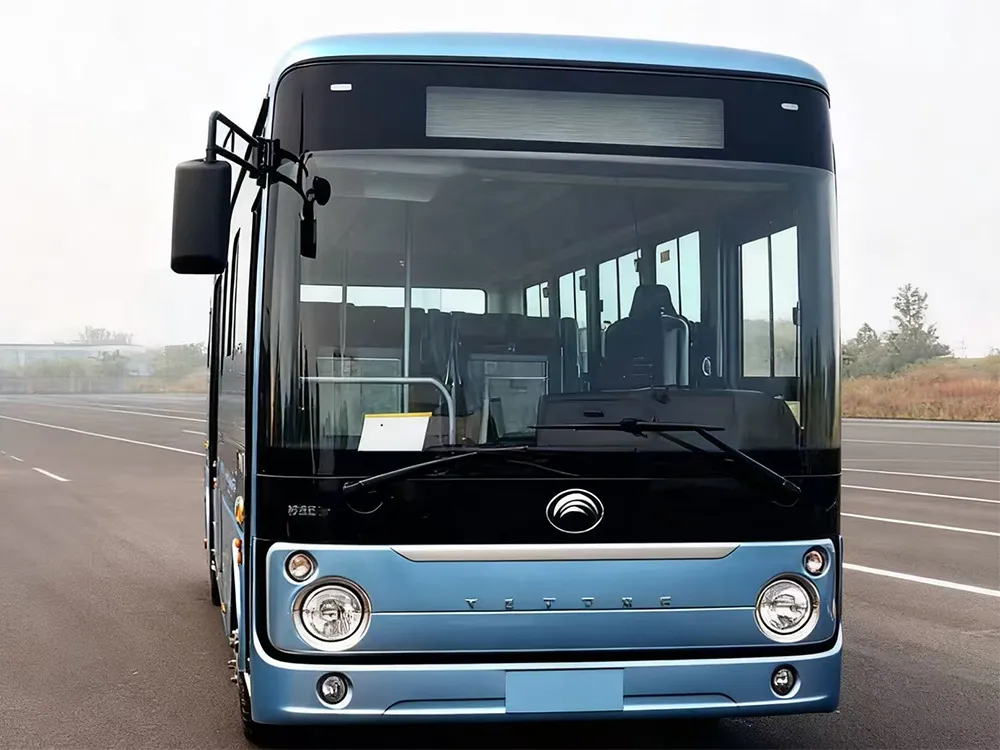
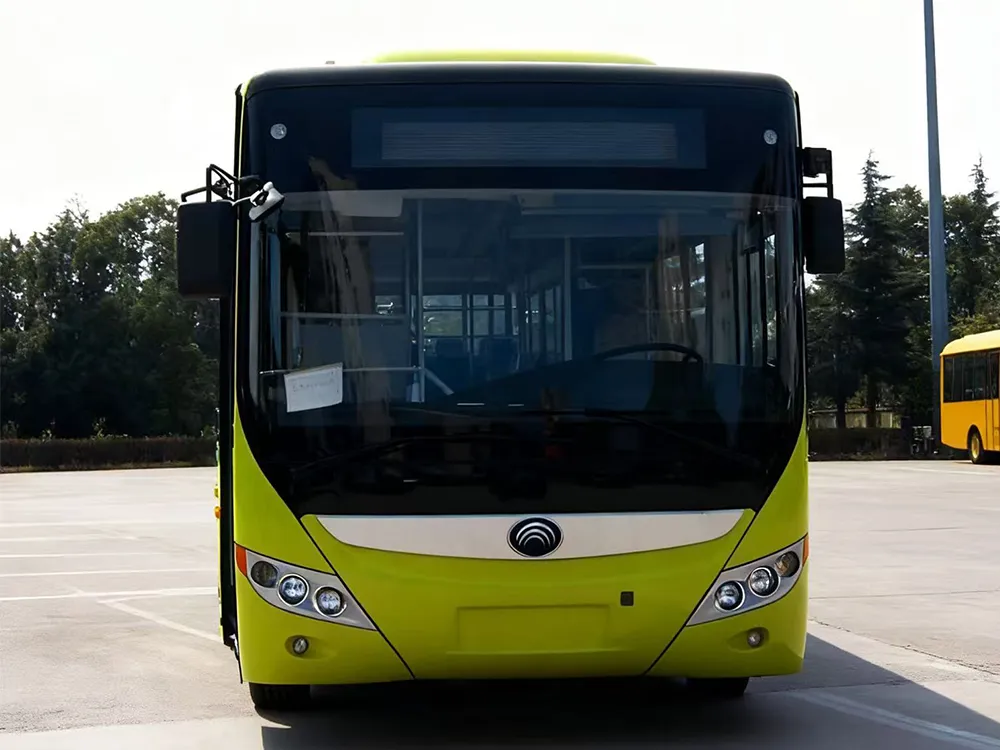
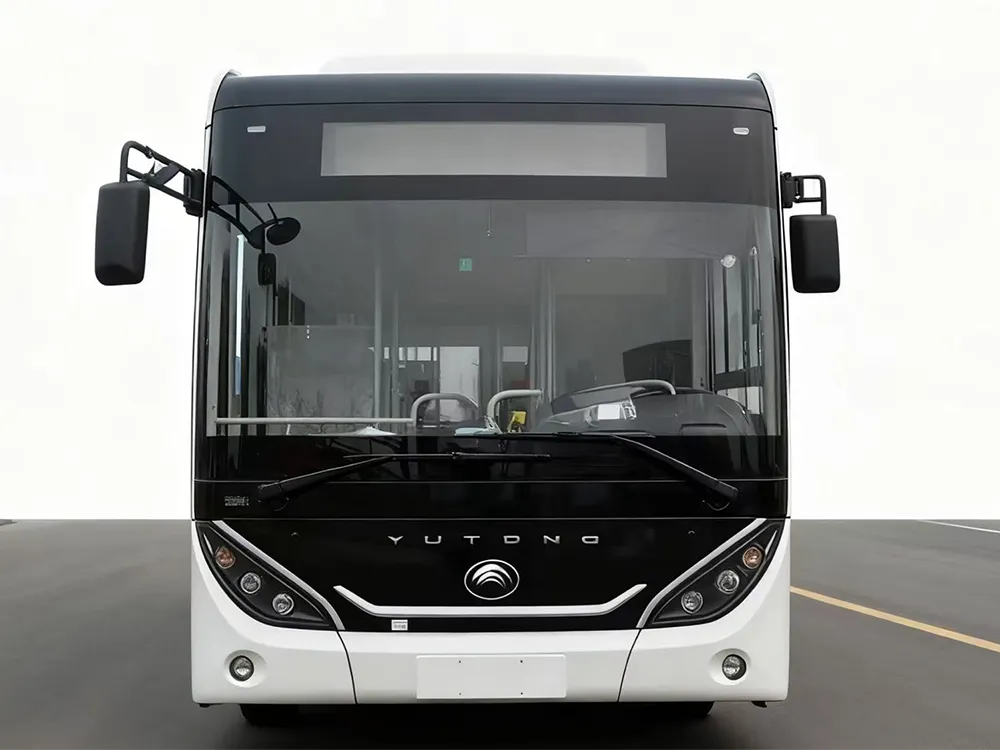
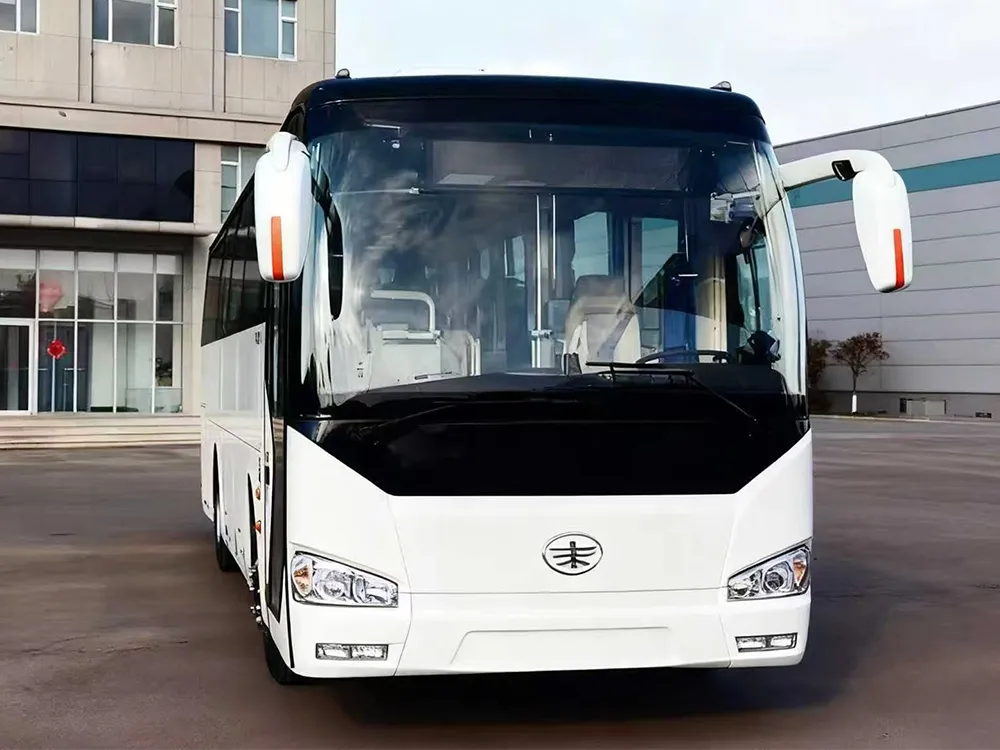
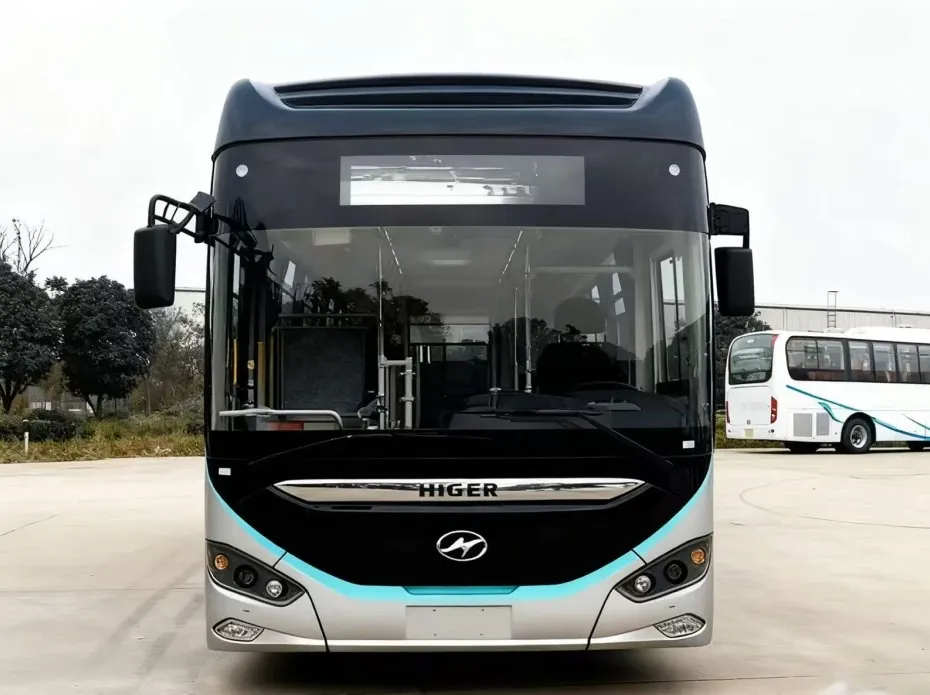
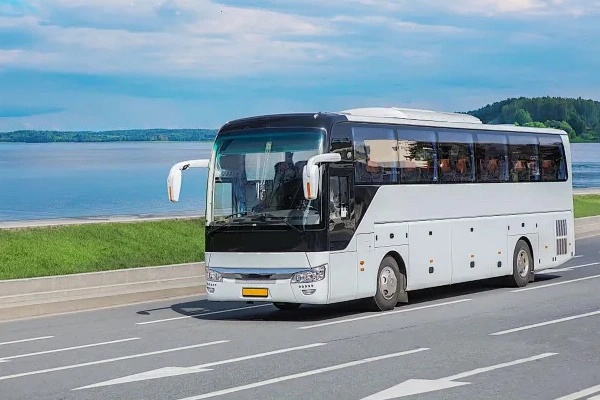
Used pure electric buses are primarily medium to large in size, with lengths mostly between 8 and 12 meters. The overall design maintains the stable style of commercial buses while incorporating the technological design features of new energy vehicles. The body is constructed using high-strength, lightweight aluminum alloy or composite steel, reducing weight by 10%-15% compared to traditional fuel-powered buses. This improves both range and corrosion resistance, making them particularly suitable for operation in rainy and humid areas.
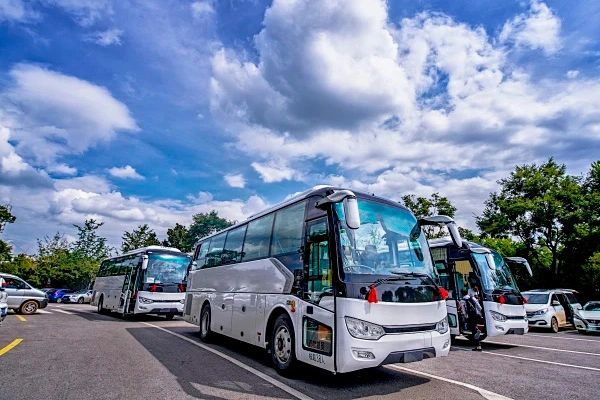
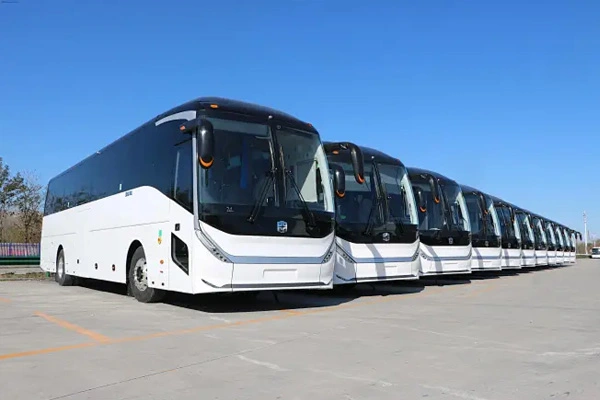
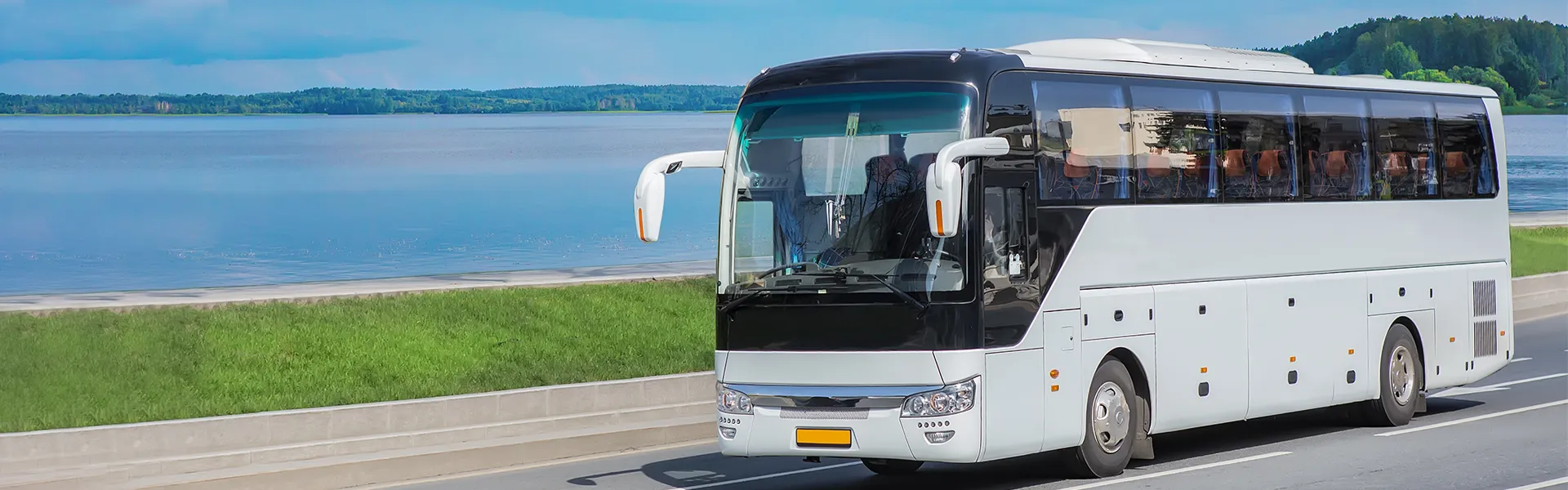
In terms of exterior design, the front features a flattened design to reduce wind resistance, complemented by integrated LED headlights. The daytime running lights are streamlined and run across the front, providing high visibility. The sides are clean and simple, eliminating the fuel filler port and retaining only the charging port. The rear design emphasizes practicality, equipped with a high-mounted brake light, reversing camera, and charging status indicator for easy operator monitoring. The main body colors are white and green, with some models also featuring route markings, allowing for direct adaptation to urban public transport scenarios without additional color changes.
The core competitiveness of pure electric buses lies in their motor and battery systems. The motor uses a permanent magnet synchronous motor, characterized by high starting torque, rapid response, and smooth operation. It eliminates the need for gearbox shifting, resulting in smoother acceleration and improved passenger comfort.
The battery system primarily uses lithium iron phosphate or ternary lithium batteries. Even after 3-5 years of use, the driving range of used models typically remains at 70%-80% of its initial value. The battery supports both fast and slow charging modes. Fast charging can reach 80% charge in 1-2 hours, suitable for daytime charging at bus depots; slow charging takes 6-8 hours to fully charge, ideal for charging during off-peak hours at night, further reducing energy costs.
The seats are designed for comfort and durability, using high-density foam filling. The backrest angle is adjustable from 110° to 140°, and some models are equipped with seat ventilation to alleviate fatigue during long journeys. The seat surface is made of stain-resistant and wear-resistant PVC material, which can be directly washed with water, reducing maintenance costs. The bus is equipped with an intelligent temperature control system, featuring a roof-mounted air conditioner and zoned temperature control for rapid temperature adjustment. The air conditioning energy consumption is 20% lower than that of traditional fuel-powered buses.
A wealth of intelligent features is a key highlight. Most used pure electric buses are equipped with onboard intelligent terminals that can monitor battery status, range, and speed in real time, facilitating operational management. Some models also feature GPS positioning and remote diagnostics, providing early warnings of battery and motor failures and reducing maintenance risks. In terms of safety features, standard equipment includes ABS anti-lock braking system, EBD electronic brakeforce distribution system, and driver and passenger airbags. Some high-end models are upgraded with full vehicle monitoring, tire pressure monitoring, and collision warning systems to ensure operational safety.
In urban public transportation scenarios, used pure electric buses can be adapted to intelligent bus systems, adding electronic bus stop linkage devices, passenger counting systems, and voice announcement functions. Some models also support wheelchair access and low-floor designs for easy boarding and alighting for elderly and disabled passengers. In tourism scenarios, entertainment features can be upgraded, equipping them with 20-inch in-vehicle displays, surround sound systems, and WiFi modules to meet tourists' entertainment needs during their journey. Luggage compartment lighting and securing devices are also added to improve luggage storage security.
In corporate commuting scenarios, interior modifications can be customized, featuring business-grade seats, carpets, and ambient lighting. Employee attendance devices and USB charging ports can be added. Some models can also integrate in-vehicle office systems to meet the high-end commuting needs of enterprises. These modifications typically cost between 20,000 and 50,000 yuan, far lower than the cost of modifying a new vehicle, offering a significant cost-performance advantage.
The reliability of used pure electric buses stems from their simplified power structure. The number of components in an electric motor is only 1/5 that of a gasoline engine, and it eliminates easily damaged parts such as oil and filters, reducing the failure rate by more than 60% compared to traditional gasoline buses.
The vehicle body adopts a monocoque design, simplifying the chassis structure. The suspension system primarily uses air suspension or multi-leaf springs, ensuring ride comfort while reducing the number of easily damaged parts. Most models feature modular designs for core components such as the battery and motor, facilitating disassembly and maintenance. Furthermore, the manufacturer provides a battery degradation warranty, further enhancing reliability.
Low maintenance costs are a core advantage of used pure electric buses. Regarding maintenance cycles, the motor requires less frequent maintenance; routine maintenance mainly involves battery testing, brake system checks, and tire replacement, simplifying the process. Compared to gasoline buses, annual maintenance costs can be saved.
Component Costs are More Advantageous. The motor eliminates easily damaged parts such as spark plugs and fuel injectors, and the low failure rate of the battery and motor significantly reduces maintenance costs.
Urban public transportation is the core application scenario for used pure electric buses. Its zero-emission characteristics perfectly meet the environmental protection requirements of urban core areas, while its low operating costs significantly reduce the burden on bus companies.
In third- and fourth-tier cities and county towns, used pure electric buses are also suitable. These areas have short operating mileage and simple station facilities, making the range and maintenance needs of used models a perfect match. At the same time, the lower procurement cost can alleviate local financial pressure and accelerate the popularization of new energy buses.
Intra-scenic spot shuttle service is an important application scenario for used pure electric buses. Their zero-noise and zero-emission characteristics protect the ecological environment of scenic spots, making them particularly suitable for ecologically sensitive scenic spots such as nature reserves and wetland parks.
Used pure electric buses also perform well in short-distance tourism scenarios. For tourist routes within 100 kilometers of cities, their range fully meets the needs, and the addition of entertainment features can enhance the tourist experience, making them a preferred choice for tourism companies to reduce costs and increase efficiency.
Commuting for medium and large enterprises is an emerging application scenario for used pure electric buses. For fixed commuter routes between factory areas and employee dormitories, with daily operating mileage of 50-100 kilometers, the range of used vehicles is perfectly suited.
Used pure electric buses are also suitable for enclosed environments such as schools and industrial parks. Their stable low-speed driving and flexible handling ensure the safety of students and park personnel, while their zero-emission characteristics meet the environmental protection requirements of campuses and parks.
With core advantages such as environmental protection and energy saving, low operating costs, and rich configurations, used pure electric buses demonstrate significant value in urban public transportation, scenic area shuttles, and corporate commuting. Their simple and elegant appearance, scientifically designed spatial layout, smooth and efficient power performance, and mature and reliable performance make them a preferred choice for the green transformation of commercial transportation. For purchasers seeking cost reduction, efficiency improvement, and environmental responsibility, used pure electric buses not only reduce initial investment but also save costs through long-term operation, while establishing a green brand image.
With the continuous maturation of new energy bus technology and the improvement of the used market, used pure electric buses will inevitably become the mainstream choice in the commercial transportation sector, injecting strong momentum into the development of green transportation.