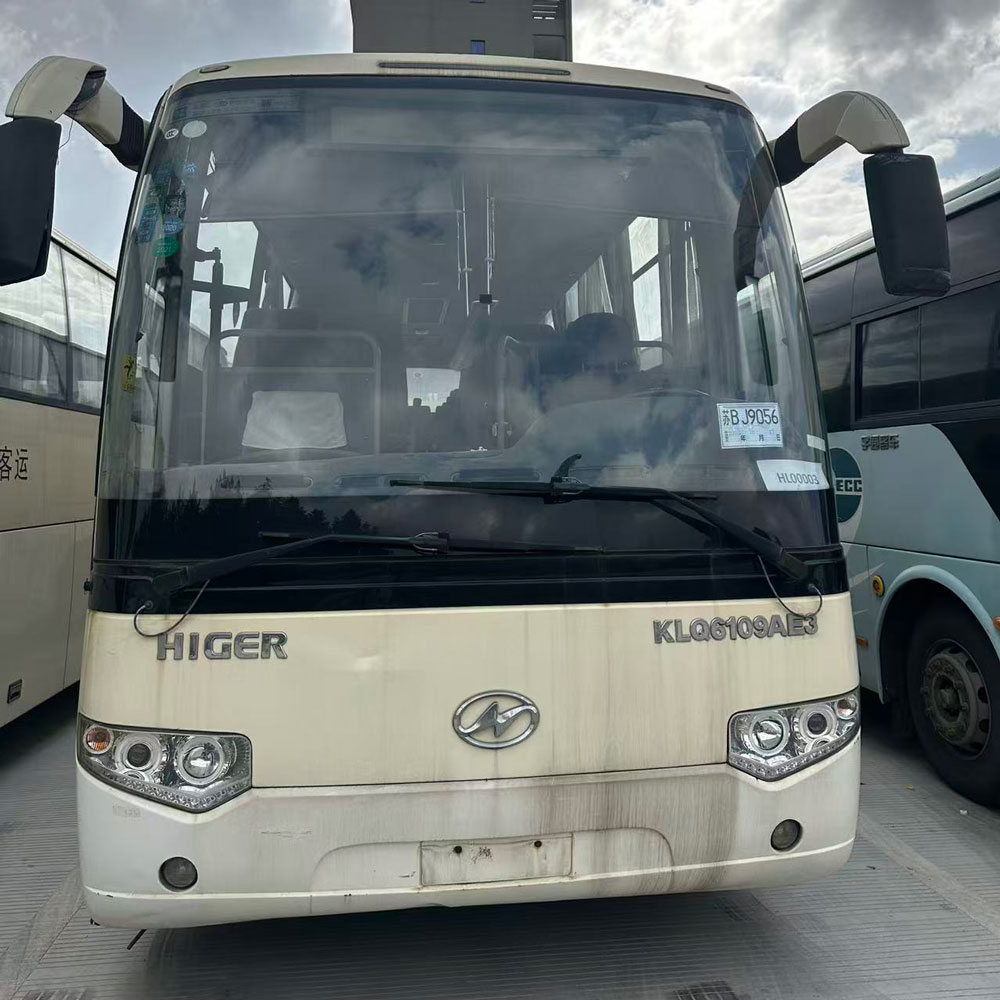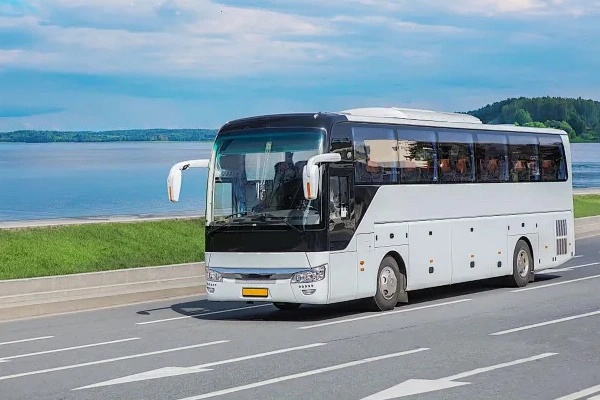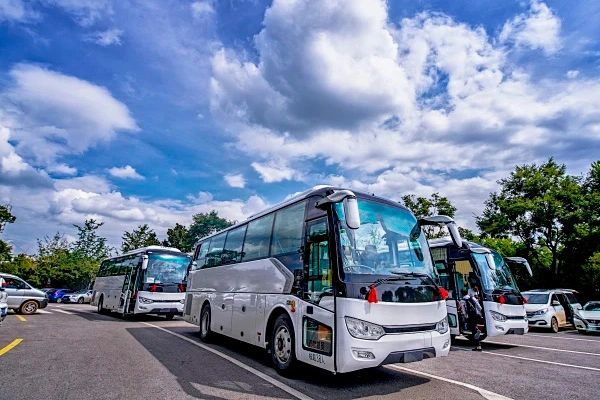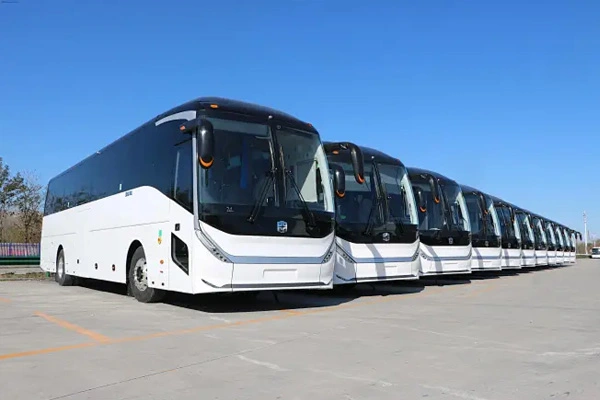

I spend most days walking depots, crawling under chassis, and riding test loops with operators who simply need vehicles that start every morning and pay their way. When budget meets schedule, I often steer buyers toward a Used Diesel Bus. In my work with fleets through Honglong, I have learned that the right unit, inspected and refreshed with intention, can deliver steady service without drama while keeping capital free for the rest of the business.
| System | What I verify | Acceptable finding | Red flag |
|---|---|---|---|
| DPF and DOC | Differential pressure, ash load, regen history | Stable backpressure, scheduled ash service noted | Frequent parked regens, cracked substrate, melted can |
| DEF and dosing | Quality sensor readings, crystal buildup, injector spray | Clear lines, correct pump duty, no codes | Ammonia smell, crusted lines, derate history |
| EGR circuit | Valve movement, cooler integrity, soot patterns | Clean response, no coolant loss | Sticky valve, coolant in exhaust, white residue |
| Fuel and injectors | Balance rates, return flow, rail pressure stability | Balanced cylinders under load | Knock under load, haze at idle, fuel in oil |
| Turbo and charge air | Shaft play, boost curve, intercooler leaks | Smooth spool, tight pipes, no oil spray | Whine, sluggish boost, oily couplers |
| Transmission | Shift timing, fluid condition, retarder bite | Crisp shifts, clean fluid, effective retarder | Flare, harsh 2–3, burnt smell, metal in pan |
| Structure | Crossmembers, spring perches, battery trays | Surface rust only, no deformation | Perforation, buckling, fresh paint over scale |
| Brakes and air | Drum or disc wear, compressor cut in and out | Dry tanks, even lining wear | Wet tanks, slow build, dragging calipers |
| HVAC | Vent temps at idle and at 50 kmh, condenser fans | Stable low vent temps, quiet operation | Short cycling, hot soak fade, weak idle cooling |
Late Euro IV and Euro V or EPA 07 engines keep things simple but may be restricted in some low emission zones. EPA 10 and Euro VI add DEF systems that cut NOx sharply while improving fuel economy when everything is healthy. I match engine family and aftertreatment complexity to the routes, the shop skill level, and local rules so the bus works with the depot rather than fighting it.
I run real numbers with every buyer and the answer depends on local fuel and power prices and grants. The sample below reflects a common city loop with 40,000 miles per year and conservative maintenance plans. It shows why many fleets still open the conversation with diesel while they pilot alternative power on select routes.
| Line item | Used Diesel Bus | Used CNG Bus | Used Electric Bus |
|---|---|---|---|
| Purchase price per unit | $55,000 | $75,000 | $290,000 |
| Fuel or energy five years | $126,700 | $125,000 | $120,000 |
| Maintenance five years | $90,000 | $100,000 | $50,000 |
| Aftertreatment or infra extras five years | $7,500 | $10,000 | $50,000 |
| Estimated residual value year five | −$25,000 | −$20,000 | −$160,000 |
| Illustrative five year TCO | $284,200 | $290,000–$305,000 | $350,000+ |
Your numbers will differ with grants, duty cycles, driver style, climate, and depot power. I tune this model to your route mix before any commitment.
Mainstream combinations with widely supported components have kept my downtime low. Engines from global suppliers paired with Allison or ZF automatics and common axle sets make life easier. I also check that body and interior parts are still in production so trim repairs do not park a bus.
If you want a practical shortlist that balances cost, compliance, and uptime, tell me where the buses will run and how your depot operates. I will propose units that match your duty cycle and I will include a simple five year cost model you can share with your team. If you are ready to move or you just need a straight answer, contact us and get a same day plan for inspection, pricing, and delivery.