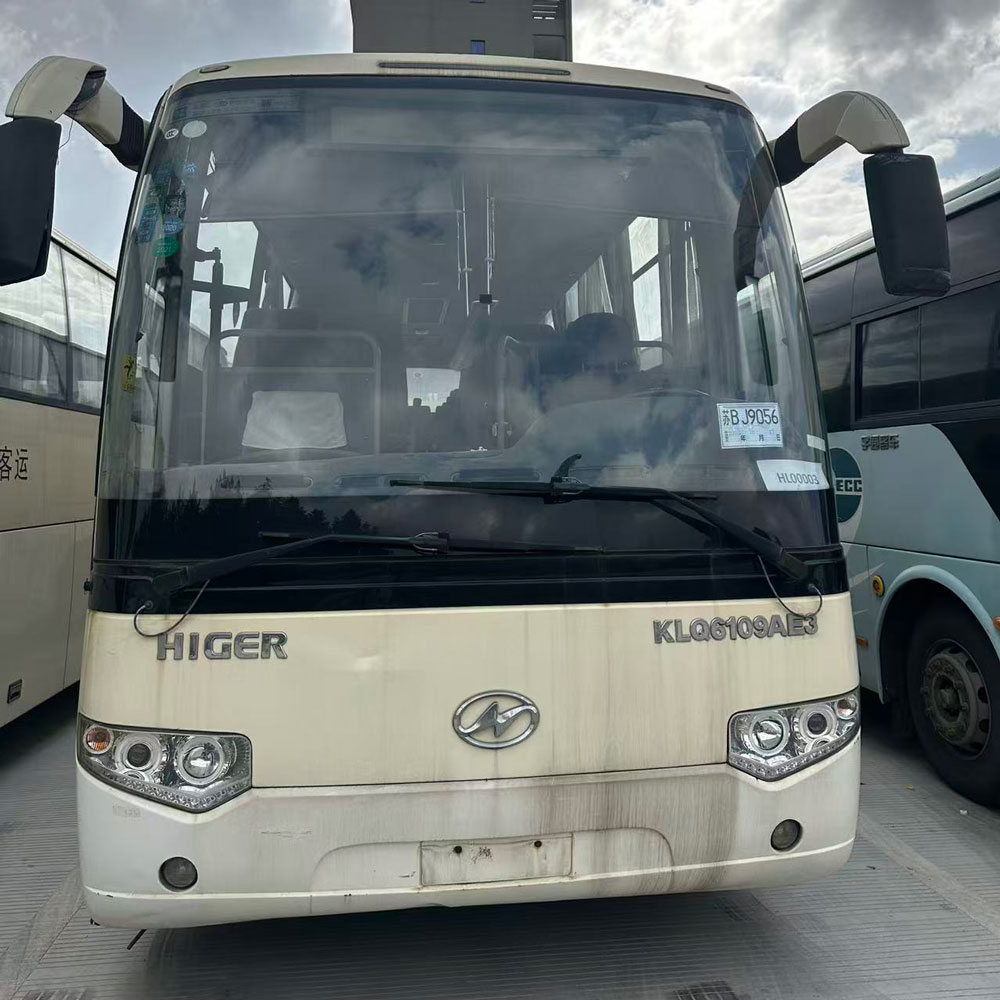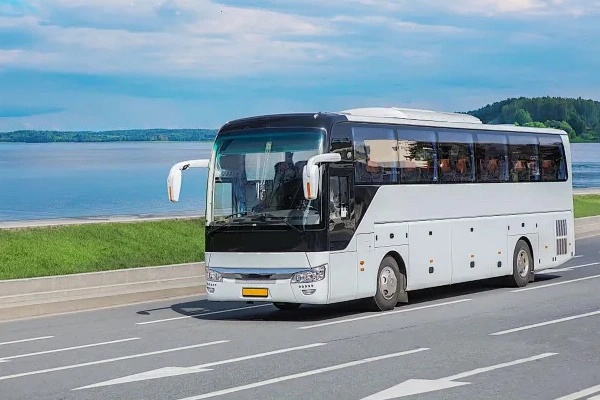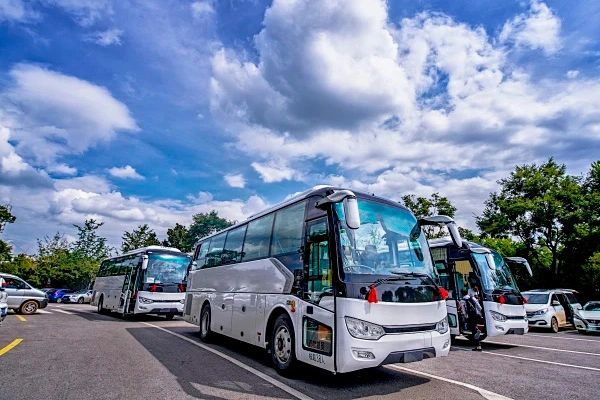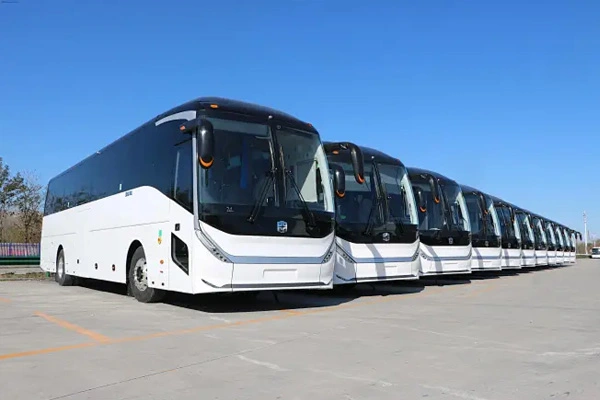

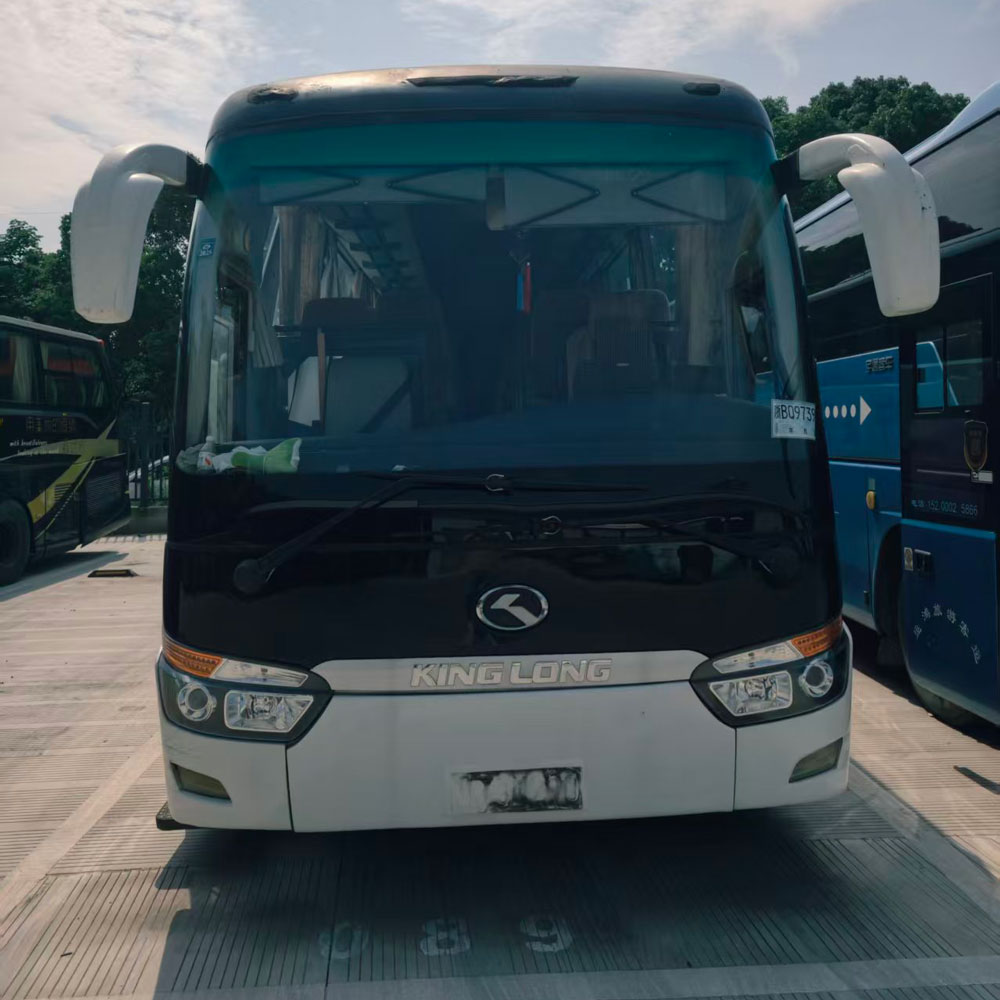
Ningbo Haishu Honglong Automobile Service Co., Ltd. observes that 11-12m Used Diesel Buses continue to play an important role in global public transportation because many regions still require practical, flexible, and cost-conscious fleet solutions during the transition toward cleaner mobility.
While electric buses are expanding rapidly, the replacement of entire bus fleets takes time. Infrastructure development, energy supply, operating conditions, and budget planning all influence how quickly cities can complete electrification. As a result, well-maintained diesel buses remain part of many transportation systems, especially for medium-distance routes, regional services, and areas where charging networks are still developing.
The global bus industry is undergoing a major technology shift. Electric and alternative-energy buses are receiving increasing attention, but existing diesel fleets cannot simply disappear within a short period.
Fleet renewal involves more than replacing vehicles. It also requires:
For many transportation systems, keeping reliable vehicles in operation while gradually introducing new technologies is a more practical approach.
Research on bus fleet transitions also shows that different operating environments require different solutions. Urban routes may benefit more from electrification, while medium- and long-distance operations still face challenges related to range, infrastructure, and operating costs.
The 11-12 meter bus category has become a common choice for public transportation because it balances passenger capacity and operational flexibility.
Compared with larger articulated buses, this size offers easier operation on:
A typical 11-12 meter bus can provide enough passenger space while maintaining reasonable fuel consumption and maneuverability.
| Feature | Operational Advantage |
|---|---|
| Medium-length body | Suitable for various route conditions |
| Large passenger capacity | Supports high-volume transportation |
| Strong road adaptability | Works across urban and regional networks |
| Mature diesel technology | Supported by existing maintenance systems |
A used bus is not evaluated only by its age. Actual condition, maintenance history, mileage, engine performance, and structural integrity determine its remaining service potential.
For many regions, a well-maintained 11-12m Used Diesel Bus can provide a practical option when transportation demand increases but new vehicle investment needs careful planning.
Important evaluation factors include:
| Inspection Area | Key Considerations |
|---|---|
| Engine | Performance stability, service records, fuel efficiency |
| Transmission | Smooth operation and maintenance history |
| Chassis | Structural condition and corrosion level |
| Interior | Passenger comfort and previous usage intensity |
| Emission system | Compliance with regional requirements |
These factors often provide a clearer picture than production year alone.
Diesel powertrains have been used in commercial transportation for decades, creating mature maintenance networks and experienced technical support systems.
For many operators, diesel buses continue to offer several practical advantages:
Unlike electric vehicles, diesel buses can operate using established fueling systems in most regions.
This is especially important for:
Long-distance routes require predictable range and quick refueling.
Diesel buses can complete extended journeys without long charging periods, making them suitable for applications where vehicle availability is critical.
Diesel engines require regular maintenance, but repair systems and technical knowledge are widely available in many countries.
This familiarity can reduce operational uncertainty during fleet management.
The continued use of diesel buses does not mean the industry is ignoring environmental goals.
Modern transportation planning increasingly focuses on improving lifecycle efficiency rather than replacing every vehicle immediately.
Newer diesel technologies have introduced improvements in:
Industry data has shown that cleaner diesel technologies continue to represent a significant share of transit fleets in some markets, particularly where existing infrastructure and operational requirements support their use.
A major mistake in fleet planning is treating every route the same.
A city center route with frequent stops may have different requirements from a regional passenger route covering hundreds of kilometers daily.
| Route Type | Important Vehicle Factors |
|---|---|
| Urban routes | Fuel efficiency, frequent-stop performance |
| Regional routes | Range and durability |
| Tourism routes | Passenger comfort and luggage capacity |
| Rural services | Reliability and maintenance accessibility |
| Temporary transport demand | Flexible deployment |
The best vehicle choice depends on actual operating conditions.
Transportation decisions are increasingly focused on total lifecycle value rather than only initial purchase cost.
A vehicle's overall value includes:
A lower-cost vehicle with poor maintenance history may create higher future expenses, while a properly maintained vehicle can continue serving efficiently for many years.
The World Bank has also noted that traditional diesel buses often have established second-hand markets and predictable end-of-life value compared with some newer technologies where long-term residual value remains less certain.
The growth of electric buses does not immediately eliminate the role of diesel vehicles.
Instead, the transportation sector is moving through a gradual transition period.
During this stage, different technologies may serve different purposes:
| Technology | Suitable Application |
|---|---|
| Electric buses | Routes with charging support and suitable daily schedules |
| Hybrid buses | Transition applications requiring lower fuel use |
| Diesel buses | Long-range, flexible, and infrastructure-limited operations |
This mixed approach allows transportation systems to improve efficiency while adapting to local conditions.
The future of public transportation will likely include multiple technologies working together.
Electrification will continue expanding, but fleet replacement cycles are measured in years rather than months. Existing vehicles with strong mechanical condition and proper maintenance will continue to contribute to transportation networks during this transition period.
The key issue is not whether one technology completely replaces another immediately, but how each vehicle type fits specific operational requirements.
The continued importance of 11-12m Used Diesel Buses comes from their combination of capacity, range, mature maintenance systems, and adaptability across different transportation environments.
As public transportation moves toward cleaner technologies, fleet decisions increasingly depend on route conditions, infrastructure availability, and lifecycle value. Ningbo Haishu Honglong Automobile Service Co., Ltd. continues to follow these industry changes and recognizes that 11-12m Used Diesel Buses remain an important part of global transport development while cities gradually move toward future mobility systems.