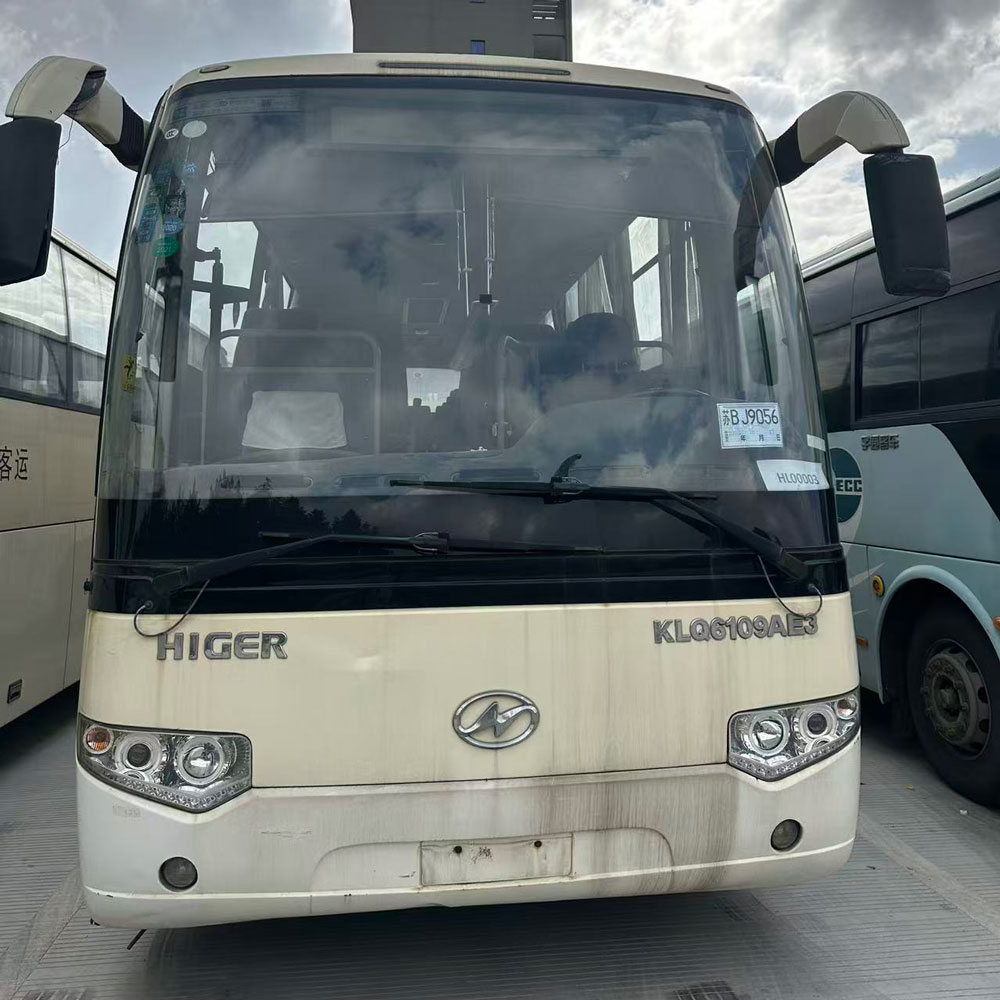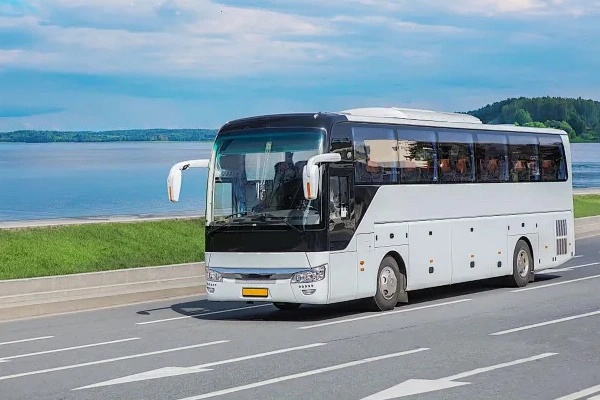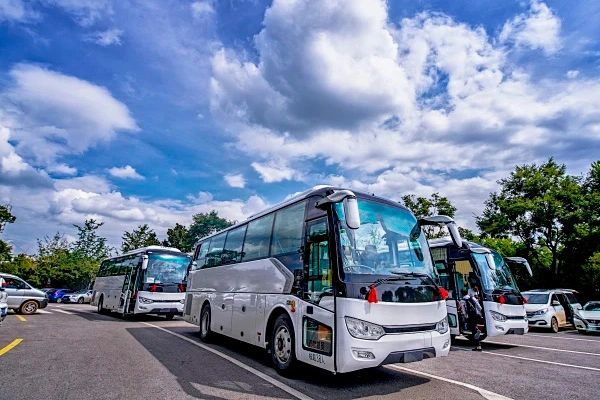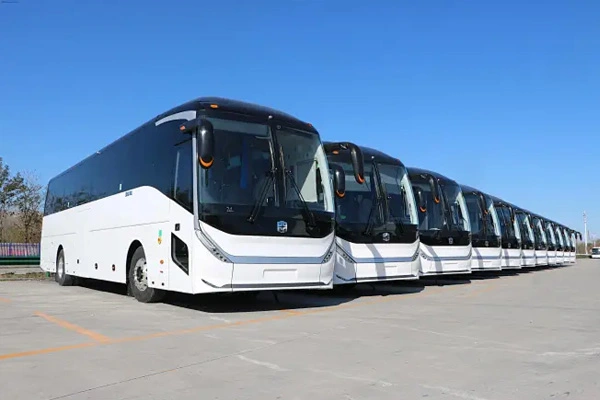

As Ningbo Haishu Honglong Automobile Service Co., Ltd. observes changes in the global public transport sector, the retirement of Used Hybrid Bus fleets after 12–15 years and 600,000–750,000 km reflects a major shift toward full-electric transportation.
The transition from hybrid technology to battery-electric fleets is accelerating in many cities. While hybrid buses played an important role in reducing fuel consumption and emissions over the past decade, many transit agencies are now reviewing their long-term fleet strategies as electric bus technology becomes more mature.
The decision to retire older hybrid buses is not simply because they are no longer usable. Instead, it often results from changing operational goals, rising maintenance considerations, battery technology improvements, and the need for more efficient zero-emission transportation solutions.
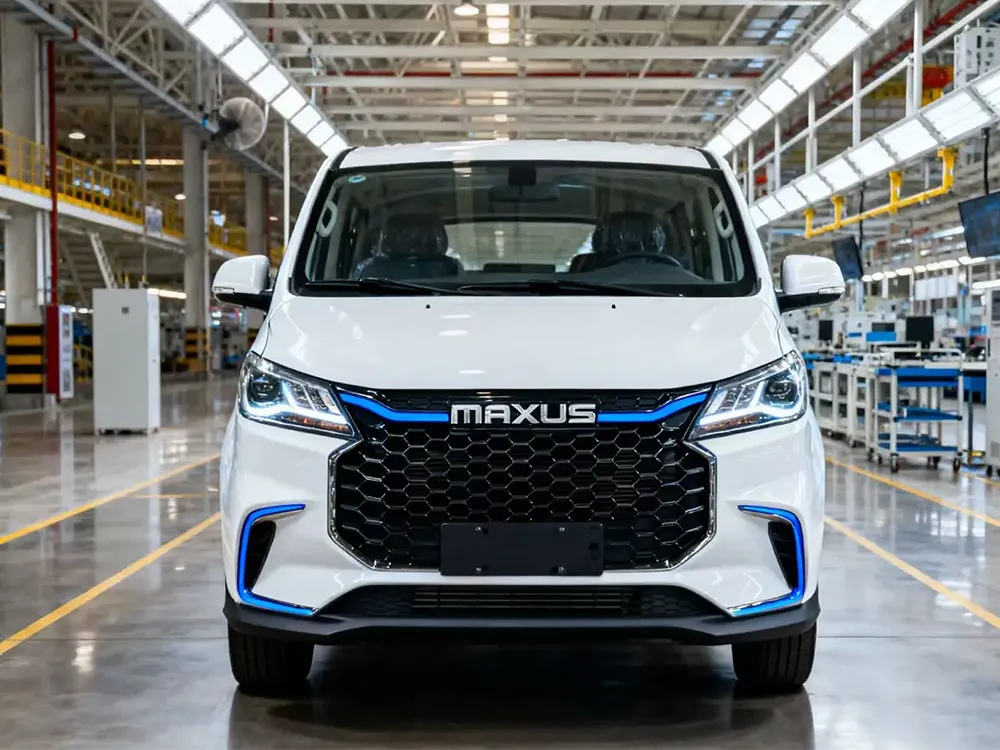
Hybrid buses were widely adopted as a bridge between traditional diesel fleets and modern electric transportation.
Many hybrid buses have been designed for approximately:
| Lifecycle Factor | Typical Range |
|---|---|
| Service Age | 12–15 years |
| Total Mileage | 600,000–750,000 km |
| Main Application | Urban transit, shuttle routes, regional transport |
| Primary Benefit | Reduced fuel consumption compared with conventional diesel buses |
| Replacement Driver | Fleet modernization and electrification goals |
After reaching these operating levels, transit agencies often begin evaluating whether continued operation remains economically practical.
The expansion of battery-electric buses is one of the biggest factors influencing hybrid bus retirement.
Many cities are introducing stricter environmental targets. Hybrid buses can reduce emissions compared with diesel models, but they still rely partly on combustion engines.
Full-electric buses provide:
As governments and transportation authorities establish long-term electrification plans, hybrid vehicles are increasingly viewed as an intermediate technology.
When many hybrid buses entered service, battery technology was still developing.
Modern electric buses benefit from:
These improvements allow newer electric buses to complete more routes with fewer energy limitations.
For transit agencies planning a fleet replacement cycle, investing in newer electric platforms can provide greater long-term value.
A major consideration for older hybrid buses is maintenance complexity.
Unlike conventional buses, hybrid vehicles combine:
As vehicles accumulate hundreds of thousands of kilometers, several components may require increased attention.
| Component | Potential Aging Issue |
| Battery Pack | Reduced energy storage capacity |
| Electric Motor System | Wear and efficiency changes |
| Diesel Engine | Increased maintenance requirements |
| Cooling System | Higher inspection frequency |
| Control Electronics | Software and hardware aging |
Although maintenance can extend vehicle life, agencies must compare repair costs with the advantages of introducing newer electric models.
The battery system is one of the most important differences between early-life and late-life hybrid operation.
After years of use, battery performance may gradually decline due to:
Reduced battery performance can affect:
For this reason, battery inspection is a critical part of evaluating any Used Hybrid Bus approaching the later stage of its service life.
The expansion of charging infrastructure has removed one of the major barriers that previously limited electric bus adoption.
Modern transit systems increasingly invest in:
As charging networks improve, electric buses become easier to integrate into daily operations.
Although full-electric fleets are expanding, hybrid buses remain relevant in many situations.
A well-maintained hybrid bus can still provide advantages for:
Some regions may not yet have sufficient charging facilities for complete electrification.
Hybrid buses can combine electric assistance with traditional fuel systems, providing operational flexibility across different route conditions.
Vehicles retired from major urban transit fleets may continue serving:
| Category | Hybrid Bus | Full-Electric Bus |
| Energy Source | Fuel + electricity | Electricity only |
| Tailpipe Emissions | Reduced | Zero |
| Fuel Dependence | Partial | None |
| Maintenance Structure | Engine and electric systems | Mainly electric systems |
| Infrastructure Requirement | Lower | Higher charging requirements |
| Long-Term Trend | Transitional technology | Growing future direction |
A common misunderstanding is that mileage completely determines whether a hybrid bus remains useful.
In reality, several factors influence remaining service potential:
A vehicle with 650,000 km of well-managed operation may perform differently from one with lower mileage but poor maintenance.
When transit organizations assess older hybrid buses, technical evaluation usually focuses on the complete vehicle condition rather than one single measurement.
Important inspection areas include:
This approach helps determine whether continued operation, refurbishment, or replacement is the most suitable option.
The retirement of hybrid buses does not represent the failure of hybrid technology. Instead, hybrids played an important role in helping the transportation industry move toward electrification.
They introduced operators to:
As full-electric fleets continue expanding, hybrid buses remain an important chapter in the development of cleaner public transportation.
Transit agencies are retiring Used Hybrid Bus units after approximately 12–15 years or 600,000–750,000 km mainly because transportation strategies are moving toward full electrification, not because hybrid technology lacks value. Factors such as battery aging, maintenance costs, evolving regulations, and improved electric bus technology all influence fleet replacement decisions.
Understanding these lifecycle trends helps organizations make more informed assessments of vehicle condition and future application potential. Ningbo Haishu Honglong Automobile Service Co., Ltd. continues to follow developments in commercial transportation equipment, including the changing role of the Used Hybrid Bus in the global transition toward electric mobility.