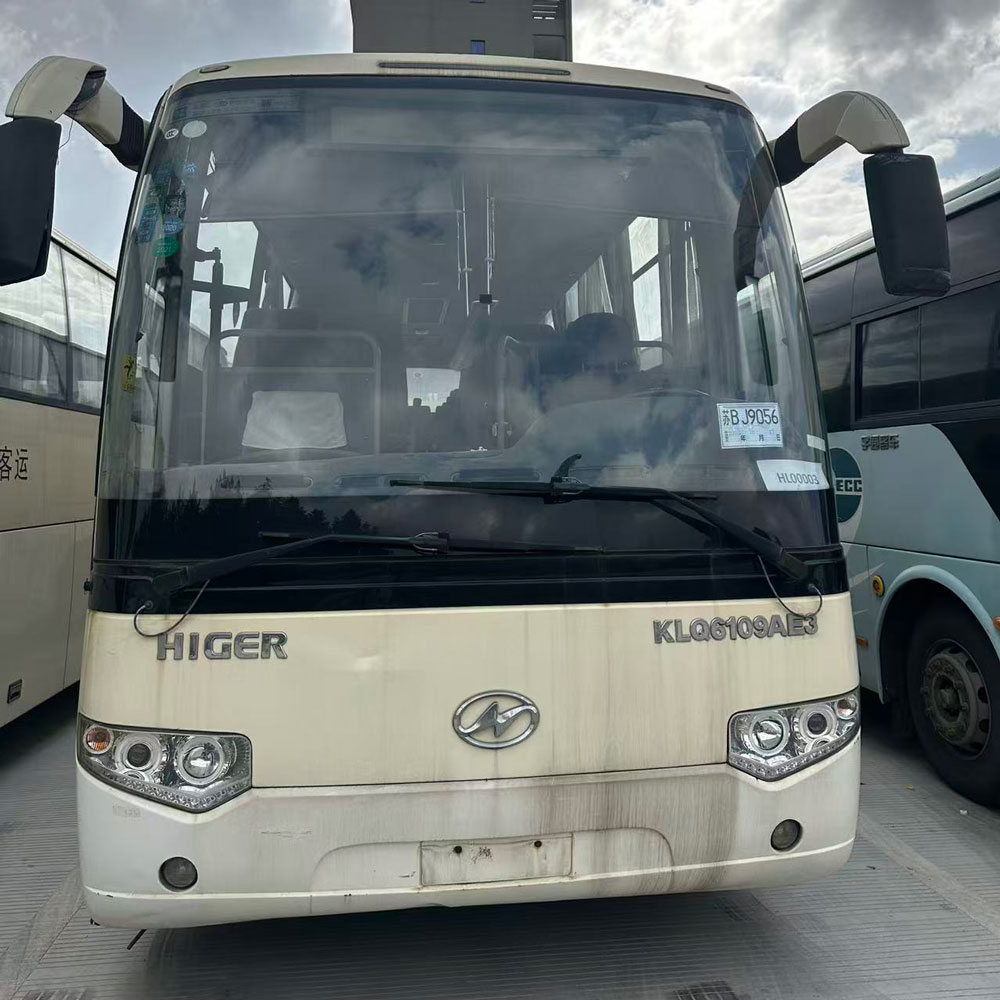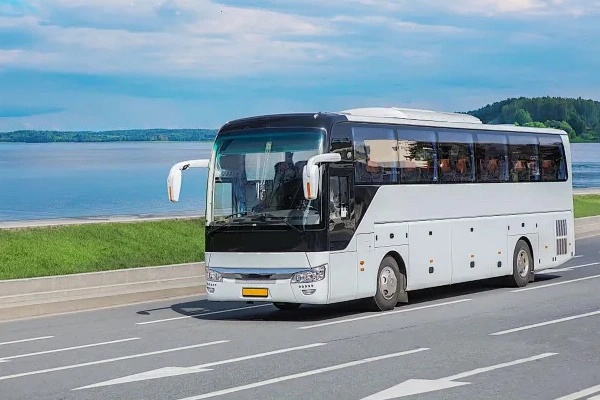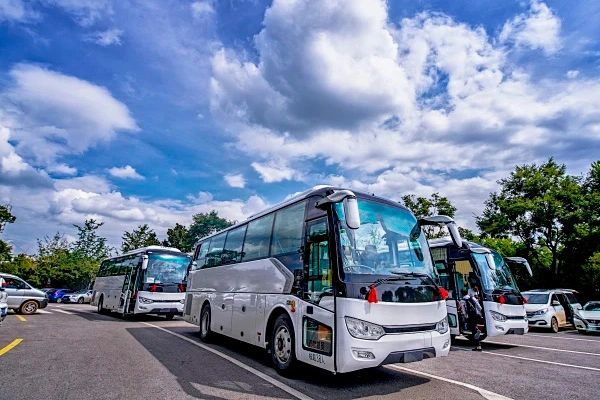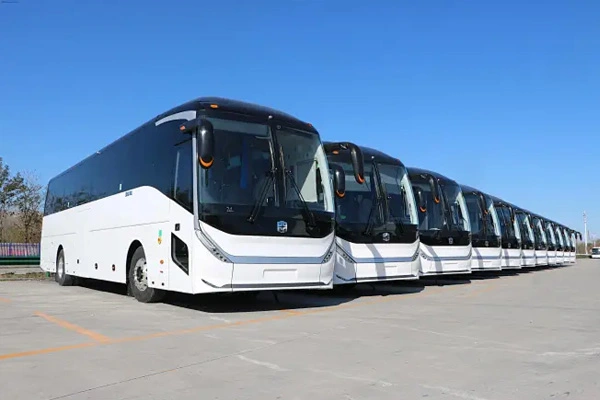
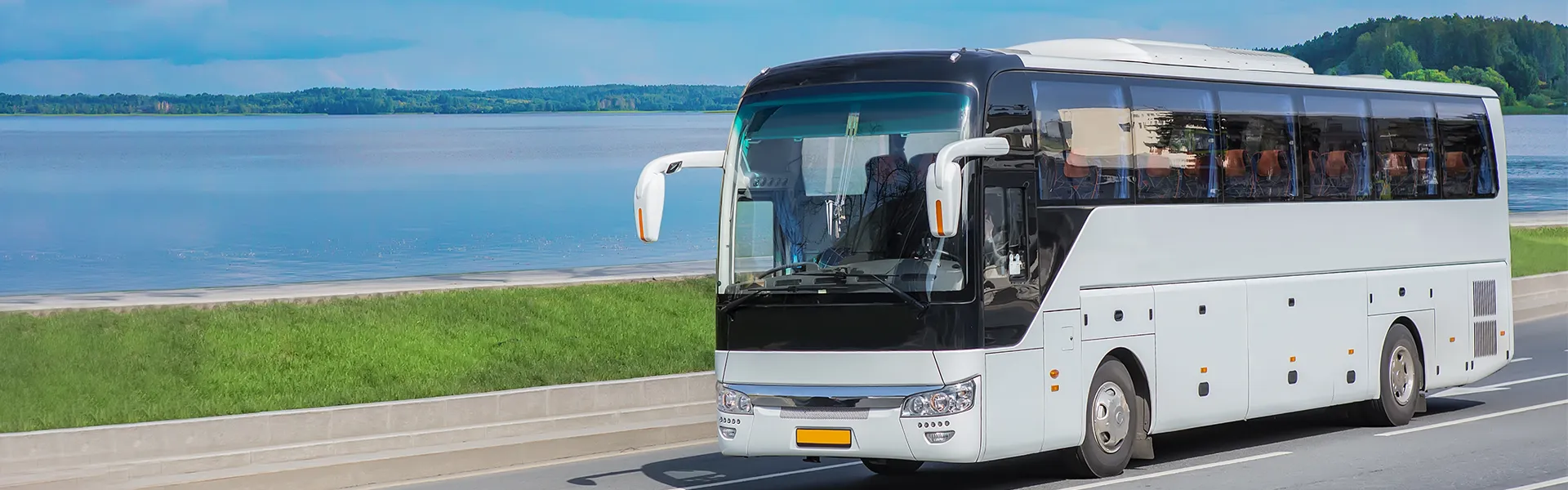
Used Hybrid Buses have become an essential component in sustainable urban transport, offering the potential for reduced emissions and improved energy efficiency. At Ningbo Haishu Honglong Automobile Service Co., Ltd., our commitment to providing high-quality Used Hybrid Buses ensures that our clients can achieve both economic and environmental benefits. Understanding the full environmental lifecycle of these vehicles—from manufacturing to operation and end-of-life disposal—is critical for fleet managers, urban planners, and eco-conscious operators.
The environmental impact of manufacturing a Used Hybrid Bus includes raw material extraction, energy consumption, and greenhouse gas emissions. Even though our buses are used, their lifecycle begins with the original production. Understanding these impacts helps optimize sustainability when purchasing second-hand vehicles from our factory.

| Component | Material Type | Environmental Consideration | Our Measures |
| Chassis | Steel | High energy in production | Use of recycled steel where possible |
| Body Panels | Aluminum | Energy-intensive smelting | Durable alloy to extend lifespan |
| Battery | Lithium-Ion | High resource extraction impact | Testing and refurbishment in our factory |
| Interior | Plastic & Composite | Long-term durability vs replacement | High-quality materials for longevity |
Operational efficiency determines the actual environmental footprint of a Used Hybrid Bus. Our factory ensures that every unit maintains optimized performance for minimal emissions and fuel consumption.
| Operational Aspect | Impact | Our Contribution |
| Fuel Consumption | Lower CO2 emissions | Optimized hybrid system maintenance |
| Battery Use | Reduced fossil fuel dependency | Battery health checks in our factory |
| Noise | Quieter operation | Sound insulation added in refurbishment |
Proper maintenance significantly extends the life of a Used Hybrid Bus, directly reducing the environmental burden. Our team at Ningbo Haishu Honglong Automobile Service Co., Ltd. implements rigorous inspection and refurbishment processes to maximize longevity.
| Maintenance Aspect | Environmental Impact | Our Factory Practice |
| Engine | Efficient fuel consumption | Regular inspection and tune-ups |
| Battery | Longer energy-efficient life | Battery testing and refurbishment |
| Body | Minimized material waste | Corrosion treatment and repainting |
End-of-life strategies for Used Hybrid Buses focus on recycling, component reuse, and proper disposal of hazardous materials. Our factory ensures that every unit is managed responsibly at the end of its lifecycle.
| Component | End-of-Life Option | Our Factory Practice |
| Chassis & Body | Recycling | Disassembly and metal recovery |
| Battery | Recycling & Refurbishment | Recovery of lithium and other metals |
| Interior | Reuse or recycling | Seats and panels refurbished for secondary use |
Understanding the environmental lifecycle impacts of a Used Hybrid Bus is crucial for sustainable transportation planning. Our factory at Ningbo Haishu Honglong Automobile Service Co., Ltd. ensures that every Used Hybrid Bus is inspected, refurbished, and optimized for maximum efficiency and minimal environmental footprint. By focusing on manufacturing, operational performance, maintenance, and end-of-life management, we provide solutions that reduce emissions, conserve resources, and extend vehicle longevity. Investing in our Used Hybrid Buses supports eco-conscious fleets and contributes to long-term sustainability.
Contact Ningbo Haishu Honglong Automobile Service Co., Ltd. today to explore our selection of high-quality Used Hybrid Buses and experience the benefits of sustainable transport for your fleet.
Q1: What are the primary environmental benefits of using a Used Hybrid Bus?
Using a Used Hybrid Bus reduces fuel consumption, lowers CO2 emissions, and decreases urban air pollutants compared to conventional diesel buses, while extending the lifecycle benefits of materials already produced.
Q2: How does battery refurbishment affect the lifecycle sustainability of a Used Hybrid Bus?
Battery refurbishment extends operational life, reduces the need for new battery production, and minimizes hazardous waste, contributing to a lower overall environmental impact.
Q3: Why is maintenance critical for reducing environmental impacts?
Regular maintenance ensures optimal engine efficiency, reduces emissions, prolongs battery life, and prevents premature component replacement, which collectively decrease the environmental burden.
Q4: What role does end-of-life recycling play in environmental sustainability?
Recycling metal, plastic, and battery components recovers valuable materials, reduces landfill waste, and minimizes energy and emissions associated with manufacturing new parts.
Q5: How do our Used Hybrid Buses support urban sustainability goals?
By combining lower emissions, energy efficiency, noise reduction, and extended lifecycle management, our Used Hybrid Buses contribute to cleaner, quieter, and more sustainable urban transport systems.