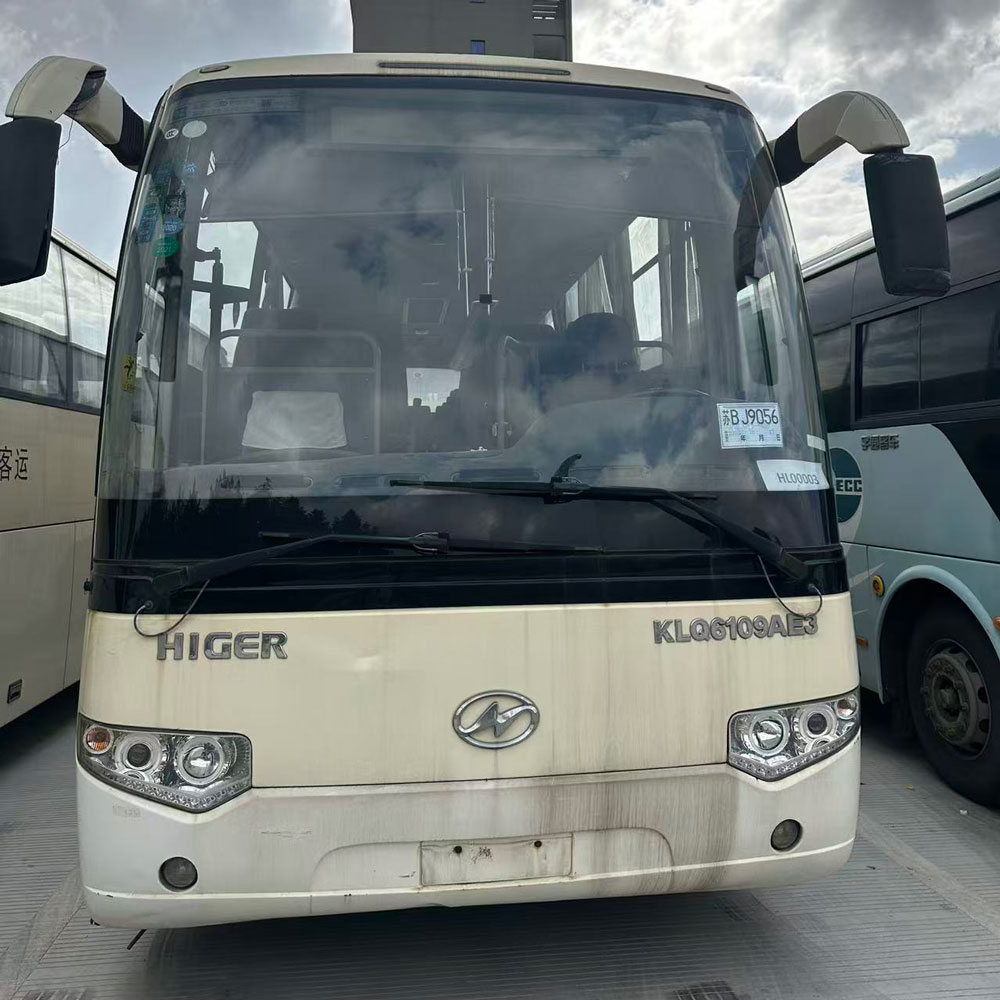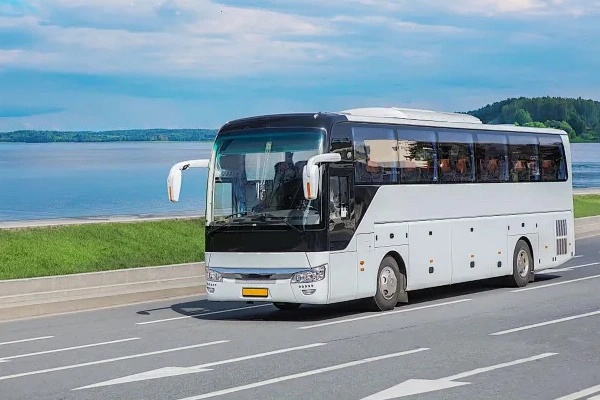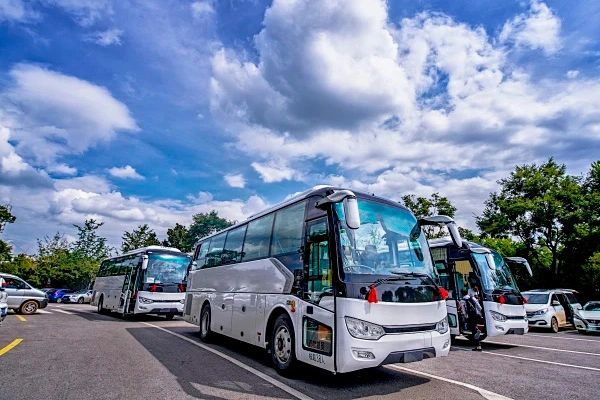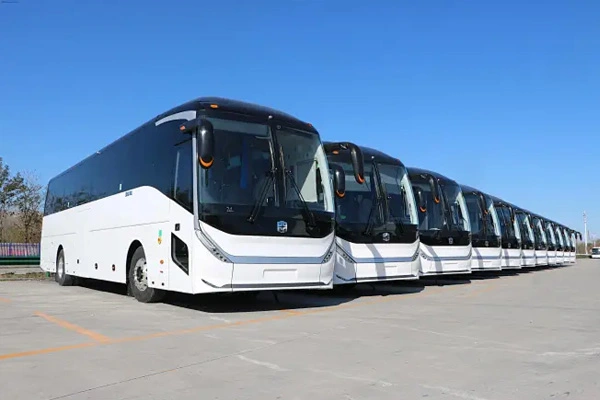

Understanding the maintenance costs of a used hybrid bus requires a comprehensive look at how mechanical components, electrical systems, and energy-storage technologies interact over years of operation. Different service tasks generate varying levels of expenses, and operators can reduce these costs significantly by following structured maintenance routines. Our experience supporting fleet owners has shown that long-term planning makes a substantial difference in vehicle reliability and operational budgeting. Ningbo Haishu Honglong Automobile Service Co., Ltd. offers guidance to help operators evaluate these costs before and after purchase.
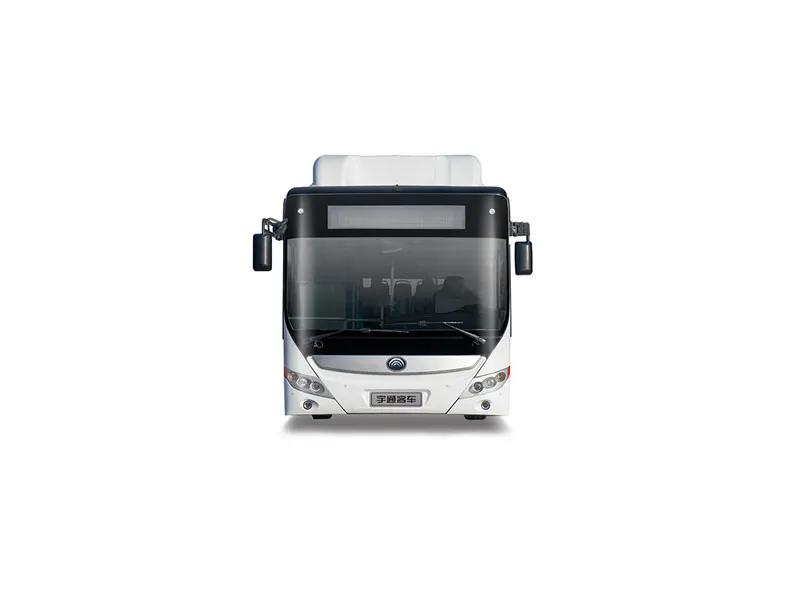
Several interconnected systems determine the long-term maintenance burden of a Used Hybrid Bus. Each system affects performance, fuel efficiency, and component durability. By understanding how these systems age, operators can anticipate expenses and optimize service cycles. Our factory evaluates these factors during every inspection to ensure accurate cost forecasting and better long-term planning.
Brake system maintenance is one of the most influential cost items. Hybrid vehicles depend heavily on regenerative braking, which captures energy and reduces wear on mechanical pads. Although pad replacements occur less frequently, rotors, calipers, and hydraulic components still require periodic service. If these items are neglected, they can cause performance loss and increase operational risks. Our technicians often find that buses operating in congested urban areas need more frequent brake inspections to ensure safe stopping performance.
Battery health plays a decisive role in the overall service cost of any hybrid vehicle. Battery degradation results from heat, deep discharges, and inconsistent charging patterns. To prevent premature aging, proper thermal management and airflow are essential. Ningbo Haishu Honglong Automobile Service Co., Ltd. uses diagnostic tools to assess cell balance and temperature sensitivity, allowing operators to plan replacement budgets years in advance. A well-maintained cooling system significantly extends battery life and lowers long-term expenses.
Motor assemblies and power electronics also contribute to cost variability. The electric motor, inverter, wiring harnesses, and cooling components must work together smoothly. If cooling flow decreases due to blocked ducts or worn pumps, power output drops and electrical resistance increases. Our maintenance procedures include checking coolant levels, cleaning connectors, and testing motor temperature cycles to minimize repair frequency. Stable thermal control is essential to preserve electrical efficiency.
Suspension, steering, and chassis systems determine how well the vehicle handles daily loads. A used hybrid bus typically operates under high passenger volume, which accelerates bushing wear, joint fatigue, and alignment drift. These conditions raise tire costs and reduce fuel efficiency if left unaddressed. Our inspection routines include shock absorber testing, tie rod evaluation, and ride-height calibration. Regular adjustments help maintain ride comfort and reduce unexpected repair costs.
Consumable parts represent one of the most predictable expense categories. Filters, lubricants, belts, coolant, and air-system cartridges require routine replacement to maintain system stability. When consumables are replaced based on actual usage instead of fixed intervals, operators can extend component life and reduce downtime. Ningbo Haishu Honglong Automobile Service Co., Ltd. recommends customized part-replacement schedules that match each vehicle’s route and load pattern, ensuring better cost control and fewer mechanical disruptions.
The following table summarizes common annual expenses associated with a used hybrid bus. Cost ranges vary depending on vehicle age, local service rates, and operational conditions. The purpose of this structure is to help operators plan budgets and compare hybrid models against traditional buses.
| Category | Service Scope | Estimated Annual Cost |
| Battery System | Cooling maintenance, diagnostics, cell evaluation | 800 to 2500 USD |
| Braking Components | Rotor care, pad inspection, hydraulic servicing | 300 to 900 USD |
| Motor and Electronics | Inverter checks, wiring repair, temperature control | 600 to 1800 USD |
| Suspension and Steering | Bushing replacement, alignment, shock absorber care | 700 to 1600 USD |
| Consumable Parts | Fluids, filters, belts, coolant replacement | 400 to 1200 USD |
What factors most significantly affect the maintenance costs of a Used Hybrid Bus?
Battery condition, motor cooling efficiency, brake system health, and chassis stress all influence long-term expenses. Vehicles operating on heavy-duty or high-temperature routes typically require more frequent service, while those maintained with structured schedules often experience lower lifetime costs.
How can operators lower annual maintenance expenses for a Used Hybrid Bus?
Operators can reduce expenses by monitoring battery temperature trends, following brake inspections, maintaining stable coolant flow, and replacing consumables based on usage rather than mileage alone. These practices prevent major failures and extend overall service life.
Does investing in better cooling and battery care reduce long-term repair needs?
Yes. Stable thermal management slows battery degradation, protects motor assemblies, and prevents strain on electronic components. When cooling systems operate efficiently, the likelihood of major repair events decreases, resulting in lower annual maintenance spending.
Maintenance costs for a Used Hybrid Bus depend on battery condition, electronic systems, braking efficiency, and chassis durability. By understanding these elements and implementing consistent inspection routines, operators can significantly reduce long-term spending while improving vehicle performance. Our long-term service experience shows that well-planned maintenance strategies extend operational life and stabilize annual budgets. If you are exploring reliable hybrid options or need professional support for vehicle selection, our team is ready to assist with tailored maintenance plans and reconditioned models that match your operational goals. Contact us today to learn how our expertise can support your fleet solutions.